Showing posts with label stretching. Show all posts

Monday, 15 February 2016

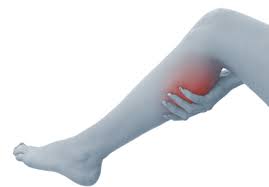
Muscle Cramps: Unmasking the Fitness Dilemma

The article talks about the occurrence of muscle cramps among individuals who want stay fit and improve their health. Rather than taking medication and drugs to treat muscle cramps, individuals are advised to make adjustments in their training routine and diets to lessen the development of muscle cramps.
 
People nowadays are becoming more conscious about their health, recognizing the importance of exercise and physical activities in their lives. Many have been integrating exercises like jogging, skipping ropes, brisk walking, and other similar exercises in their daily routines. However, there are instances that people who exercise, especially those who run or jog, can be vulnerable to muscle cramps. Muscle cramps are the involuntary and forcible contraction of the muscles. These cramps can be related to a part of a muscle, the entire muscle, or a group of muscles. It may occur many times before it is relieved. Sometimes there can be simultaneous cramps that move body parts in opposite directions. Statistics show that about 95% of individuals experience muscle cramps at some point of their lives.

 Muscle cramps can be caused by different factors which may include poor flexibility, muscle fatigue, electrolyte and mineral depletion, excessive physical exertion, and dehydration. Electrolytes are minerals in the blood and other fluids that carry an energy charge. In addition to these causes, muscle cramps can be linked to some factors like improper breathing and unhealthy diets.
Muscle cramps may disappear on their own, but there are some things that can be done to lessen their severity and longevity. Below are some of the things that can be done to treat muscle cramps.

· Stop the activity that triggered the muscle cramp
· Gently stretch the affected muscle
· Keep the affected muscle moving with light activity (standing and walking around)
· Massage the affected area to aid blood flow

Making adjustments in one's training routine may help prevent the occurrence of muscle cramp. Improving one's cardiovascular fitness may also boost the flow of blood to the muscles. A strong heart may guarantee that there are sufficient amounts of oxygen and nutrients in the muscles for them to function properly. Stretching may also help the muscles become more loose and flexible that may stop the muscles from tightening and cramping. Stretching coupled with a good warm-up session may lead to increased range of movements and help prevent injuries and muscle cramps by prompting muscle recovery.
In terms of breathing and healthy diets, people who workout should make sure that plenty of water is taken before and while working out to replace lost electrolytes. Deep breaths should be done while working out to allow consumption of plenty of oxygen. Studies show that when oxygen intake is more efficient the following may take place: slower heart rate, decreased blood pressure, eased anxiety, and relaxed muscles. Workouts should not be overdone to prevent the occurrence of muscle cramps. Any cramping usually subside after a few minutes of rest but if individuals are having trouble with their cramps they should seek the advise of doctors of other health specialists.

Rather than seek for the treatments or remedies for muscle cramps engaging in proper pre-workout and workout routines may eliminate or lessen the occurrence of these health ailment. The use of over-the-counter medication to treat muscle cramps is not prohibited. But individuals who wish to try them should consult doctors before taking them and not self-medicate. Proper workouts and healthy diets prioritized rather than taking muscle relaxants and other medications to treat muscle cramps.


Damian@FitnHealthy

Wednesday, 30 September 2015

How to Get Lean Muscle


how to get lean muscleThere are many ways to build lean muscle that will make you look toned and athletic. The key is to keep up with whichever method fits you best. Fitness is not something that happens in x-amount of days. Instead, fitness is a lifestyle that is lived through diet, exercise, mindfulness and activity.
“I’m too busy” is a common excuse when it comes to fitness. Investing an hour a day to fitness three to six times a week will give you more physical and mental health benefits than you can imagine. If you really break it down, what’s four hours a week to spend on exercise? When you look at devoting just four hours a week to exercise, it really doesn’t seem that intimidating.
For those with busy lives who don’t know where to start with their fitness, we offer a course that is specifically for those on the go. Not only does it help you to get fit with exercise, but it offers healthy diet options so you can start working toward that lean muscle.

Running

One of the best exercises for building lean muscle is running, and it’s one of the most affordable. All you need is proper shoes and clothing and you’re good to go. While it may not be the easiest at first, as long as you keep pushing and aiming for goals, running will become easy, rewarding and fun. And the more you keep with it, the more you will see your body change. That’s because running burns more calories than most types of cardio. If you have a gym membership, skip the bike, eliptical or stairstepper and hit the treadmill for 30 minutes. On average, you burn 100 calories per mile, which makes tracking calories easy. Running is an aerobic exercise, which is an exercise that burns fat, a key component in getting that lean muscle you want.

Diet

Diet is just as important as exercise when it comes to losing fat and gaining muscle. Lean protein is the key to building lean muscle. Switch your diet from carb-heavy to lean-protein heavy and you will start seeing the changes in your body that you are aiming for. That’s not to say take carbohydrates out of your diet altogether, as they are important for energy. It is protein that helps rebuild muscle, so if it’s muscle that you’re looking to build, there should be more servings of protein in your diet than carbohydrates. A popular diet that many athletes and fitness enthusiasts use to look their best is the paleo diet. The diet (based on that of the Paleolithic humans) focuses on eating fish, grass-fed meats, eggs, vegetables, fruit, fungi, roots and nuts. With this course, you will learn more about the diet, as well as how it will help you get rid of fat and gain muscle.

Weight Training

Many people think that weight training is an exercise that will make them bulk up. That is actually not true. You will not bulk up unless you add supplements and extra calories in the form of protein in your diet. As long as you keep with your balanced diet, you will see lean muscle start to emerge. Strength training actually makes your body work harder to maintain muscle over fat. This, in turn, helps to boost metabolism and burn more fat and calories throughout the day. As we age, we lose lean muscle and need to replace the muscle loss or else it will turn to fat. Weightlifting is a great way to replace the muscle loss and prevent fat. With this course, you will learn the importance of strength training, as well as the tools to gain muscle and lose fat.

Yoga

Until you try yoga, you have no idea what an entire-body experience it really is. Yoga helps bring all your work — whether it’s running, biking, weightlifting, swimming — together. There are many health benefits you get from practicing yoga on a regular basis. Yoga is not only good for your body, but it reduces stress and depression, as well as helps you to sleep better. When it comes to body benefits, practicing yoga will strengthen muscles to help aches and pains, tone your body to get that lean muscle you’re looking for, improve flexibility, increase endurance (which will help with your cardio exercises), help your posture and more. A good yoga session leaves you feeling relaxed and replenished. If you’re interested in beginning yoga, don’t be intimidated. Yoga is a practice where nobody is perfect. You can always set goals for yourself and get better with your practice. This course we offer is yoga for everyone, which introduces yoga to beginners. In it, you learn sitting, standing and lying practices, as well as the importance of meditation. If you’ve got the hang of yoga and want to dive into the practice further, we also offer this course, which has more than 30 hours of techniques.

 Putting It All In Practice

Once you start a routine of diverse exercises and healthy eating, you will start seeing changes in your body over time. Losing fat and building lean muscle is not something that happens immediately, so we recommend keeping a journal of your progress and taking a photo of yourself at the beginning of each month to see how far you’ve come. It’s important to remember that in order to keep your lean muscle you’ve worked hard for, you need to create a healthy and positive lifestyle for yourself. It takes effort, but once you start seeing the changes in your body and in your mental health, you’ll want to keep going forward. The confidence that you get from maintaining a healthy and fit lifestyle is something that is worth all that hard work.

Source

Thursday, 20 August 2015

Muscle Cramps: Unmasking the Fitness Dilemma

The article talks about the occurrence of muscle cramps among individuals who want stay fit and improve their health. Rather than taking medication and drugs to treat muscle cramps, individuals are advised to make adjustments in their training routine and diets to lessen the development of muscle cramps.
 
People nowadays are becoming more conscious about their health, recognizing the importance of exercise and physical activities in their lives. Many have been integrating exercises like jogging, skipping ropes, brisk walking, and other similar exercises in their daily routines. However, there are instances that people who exercise, especially those who run or jog, can be vulnerable to muscle cramps. Muscle cramps are the involuntary and forcible contraction of the muscles. These cramps can be related to a part of a muscle, the entire muscle, or a group of muscles. It may occur many times before it is relieved. Sometimes there can be simultaneous cramps that move body parts in opposite directions. Statistics show that about 95% of individuals experience muscle cramps at some point of their lives.

 Muscle cramps can be caused by different factors which may include poor flexibility, muscle fatigue, electrolyte and mineral depletion, excessive physical exertion, and dehydration. Electrolytes are minerals in the blood and other fluids that carry an energy charge. In addition to these causes, muscle cramps can be linked to some factors like improper breathing and unhealthy diets.

Muscle cramps may disappear on their own, but there are some things that can be done to lessen their severity and longevity. Below are some of the things that can be done to treat muscle cramps.

· Stop the activity that triggered the muscle cramp
· Gently stretch the affected muscle
· Keep the affected muscle moving with light activity (standing and walking around)
· Massage the affected area to aid blood flow

Making adjustments in one's training routine may help prevent the occurrence of muscle cramp. Improving one's cardiovascular fitness may also boost the flow of blood to the muscles. A strong heart may guarantee that there are sufficient amounts of oxygen and nutrients in the muscles for them to function properly. Stretching may also help the muscles become more loose and flexible that may stop the muscles from tightening and cramping. Stretching coupled with a good warm-up session may lead to increased range of movements and help prevent injuries and muscle cramps by prompting muscle recovery.
 
In terms of breathing and healthy diets, people who workout should make sure that plenty of water is taken before and while working out to replace lost electrolytes. Deep breaths should be done while working out to allow consumption of plenty of oxygen. Studies show that when oxygen intake is more efficient the following may take place: slower heart rate, decreased blood pressure, eased anxiety, and relaxed muscles. Workouts should not be overdone to prevent the occurrence of muscle cramps. Any cramping usually subside after a few minutes of rest but if individuals are having trouble with their cramps they should seek the advise of doctors of other health specialists.

Rather than seek for the treatments or remedies for muscle cramps engaging in proper pre-workout and workout routines may eliminate or lessen the occurrence of these health ailment. The use of over-the-counter medication to treat muscle cramps is not prohibited. But individuals who wish to try them should consult doctors before taking them and not self-medicate. Proper workouts and healthy diets prioritized rather than taking muscle relaxants and other medications to treat muscle cramps.


Damian@FitnHealthy

Friday, 31 July 2015

A Brief Guide To Exercise Stretching

The majority of us spend a large chunk of our day in a seated position. Think about it, you sleep for 7-8 hours and most of that may be in the foetal position, you get up maybe drive to work...in a seated position and then get behind a desk, when you get home you sit in front of the TV to unwind. Added to this if you do take some time out for exercise, can you honestly say that you finish your session with a good stretching routine? Just think of your poor bunched up muscles crying out for a BIG stretch!

I realise that I've just made a big generalisation but it hopefully helps you to understand where I'm coming from. There are many forms of stretching and much opinion of when it's better to stretch, before exercise, during, after or none at all! Some people think that we should stretch whether we exercise or not and others don't. So it can be confusing.
To keep it simple this advice is aimed at those who want to carry out a static stretching routine on its own and not before or after an exercise session. I don't intend to add any new theories to this debate but what I do want to do is to keep it clear and and concise, so read on!

Benefits of Stretching:

* Can improve your flexibility. 
* Helps you to relax. 
* Reduces the risk of joint sprain or muscle strain. 
* Can reduce the risk of back problems. 
* Can reduce post exercise muscle soreness. 
* Can reduce tension in the muscle.
Warming Up. Before starting your stretch routine I would recommend that you 'warm up' your muscles prior to doing so. Stretching is often mistakenly thought of as a sufficient way of warming up your muscles but its important realise that a gentle warm up prior to stretching is a safer option as your warm up routine will increase blood flow to your muscles and therefore reduce the chance of injury prior to stretching.

A gentle warm up should consist of light rotation of the joints such as the shoulders, hips, knees and ankles followed by gentle to brisk walking or walking/jogging on the spot. This should last approximately 5 minutes or so until you feel warm and slightly out of breath.
Types of Stretches. Stretches can be split into 5 different techniques: Static, Ballistic, Passive, Ballistic/Dynamic and Proprioceptive. If you are a beginner I would recommend the simplest and easiest technique to ease you gently into it which is the Static stretch where you stretch the muscle to a point where you feel the tension and holding the stretch for approximately 15-20 seconds.
Static stretching can improve your flexibility over time and is one of the safest forms of stretching. Good luck with your journey to improved flexibility!

Damian@FitnHealthy

Saturday, 11 July 2015

10 Things You Should Know About Stretching

10 Things You Should Know About Stretching

Before fitness training, one must give importance to doing warm-up or stretching exercises to prevent accidents or to enhance the output during the training.  
There are also a number of precautionary measures and tips to serve as guidelines when doing fitness exercises.  

Here are some of them.

1.  To increase your flexibility and to avoid injuries, stretch before and after workout.  Almost everyone knows that stretching before workout prevents injuries during the exercises, but only few people know that stretching after workout, when muscles are still warm, can increase flexibility.

2.  Hold your stretching position for more than 60 seconds to increase flexibility.  While holding your position for 20 seconds is enough for warm ups, holding each position for at least 60 seconds will develop the body's flexibility.

3.  Do not go into a stretching position then immediately return to the relaxed position, and do it repeatedly.  This is more appropriately termed as bouncing while in a position.  When stretching, hold that position for several seconds, and then slowly relax. 

4.  Work slowly in increments instead of immediately proceeding to doing the hardest exercise or position.

5.  Make sure that you have stretched or warmed up all muscle groups.  For some people, even if they have strong bodies, they tend to neglect the neck when working out of stretching.  Stretching the neck muscles can be as simple as placing the palm of one's hand against the front of the head and pushing it.  Then, do the same to the sides and the back of the head.
 

6.  Stretch regularly to continually increase your range of movements and your level of flexibility and strength.

7.  Workout considering only your capabilities and not of others.  Do not force yourself to do exercises that you are not yet capable of just because there are people who can do it.  Increase your limits slowly.  Listen to your body. There are days when your body may be too tired that you may have to consider reducing your range of motion.

8.  Learn to rest. Rest in between sets and stations to make sure that the body has enough time to recover its energy.  Also, it is advisable that you don't work the same muscle groups consecutively for two days. The muscles grow during the period when you rest and not when you are working out.

9.  Do aerobic exercises to strengthen your heart.  Aerobic exercises are those physical activities that much oxygen for fuel. This includes cardiovascular exercises such as skipping rope, running or swimming.

10.  Music may help you when you want to train for longer periods or to increase your intensity.  You can use mp3 players,  lightweight ipod etc for this.  Just make sure that you brought your headset with you so you wouldn't disturb people who don't prefer music while exercising.

Apart from preventing injuries and increasing one's limit, it is also said that stretching is good for a tired body and also for a stressed mind and spirit.

You may do this exercise repeatedly this way.  Bouncing or forcing yourself into a position during stretching can strain or damage some joints or muscles.

Tuesday, 23 June 2015

10 Things You Should Know About Stretching

10 Things You Should Know About Stretching


 Before fitness training, one must give importance to doing warm-up or stretching exercises to prevent accidents or to enhance the output during the training.  There are also a number of precautionary measures and tips to serve as guidelines when doing fitness exercises.  Here are some of them.

1.  To increase your flexibility and to avoid injuries, stretch before and after workout.  Almost everyone knows that stretching before workout prevents injuries during the exercises, but only few people know that stretching after workout, when muscles are still warm, can increase flexibility.

2.  Hold your stretching position for more than 60 seconds to increase flexibility.  While holding your position for 20 seconds is enough for warm ups, holding each position for at least 60 seconds will develop the body's flexibility.

3.  Do not go into a stretching position then immediately return to the relaxed position, and do it repeatedly.  This is more appropriately termed as bouncing while in a position.  When stretching, hold that position for several seconds, and then slowly relax.  You may do this exercise repeatedly this way.  Bouncing or forcing yourself into a position during stretching can strain or damage some joints or muscles.

4.  Work slowly in increments instead of immediately proceeding to doing the hardest exercise or position.

5.  Make sure that you have stretched or warmed up all muscle groups.  For some people, even if they have strong bodies, they tend to neglect the neck when working out of stretching.  Stretching the neck muscles can be as simple as placing the palm of one's hand against the front of the head and pushing it.  Then, do the same to the sides and the back of the head.

6.  Stretch regularly to continually increase your range of movements and your level of flexibility and strength.

7.  Workout considering only your capabilities and not of others.  Do not force yourself to do exercises that you are not yet capable of just because there are people who can do it.  Increase your limits slowly.  Listen to your body.  There are days when your body may be too tired that you may have to consider reducing your range of motion.


8.  Learn to rest.  Rest in between sets and stations to make sure that the body has enough time to recover its energy.  Also, it is advisable that you don't work the same muscle groups consecutively for two days.  The muscles grow during the period when you rest and not when you are working out.

9.  Do aerobic exercises to strengthen your heart.  Aerobic exercises are those physical activities that much oxygen for fuel.  This includes cardiovascular exercises such as skipping rope, running or swimming.

10.  Music may help you when you want to train for longer periods or to increase your intensity.  You can use mp3 players, CD players or lightweight am radio receivers for this.  Just make sure that you brought your headset with you so you wouldn't disturb people who don't prefer music while exercising.

Apart from preventing injuries and increasing one's limit, it is also said that stretching is good for a tired body and also for a stressed mind and spirit.
 
Damian@FitnHealthy

Thursday, 28 May 2015

How to Warm Up Properly

There are a variety of ways to warm up, ranging from an extended cardio session to almost none at all. Each has its drawbacks and merits. Do whichever one you feel comfortable with or gives you the best results. Beginning trainers should stick with the first and second types of warm-ups while advanced trainers may wish to try the third type.


1. Full Warm-Up

  • This usually involves doing some low-intensity cardio work for five to ten minutes until you break a sweat.
  • It gets blood flowing and prepares the body for work to come.
  • Some light stretching follows this then a few light sets of whatever exercises are going to be done.
Warming up on the treadmill.
If you feel you need this much warm-up, go ahead. Keep in mind, however, not to do too much or will affect your energy levels for the actual workout. This type of warm up is particularly appropriate for novice, injured, or older trainers, though anyone can use it.


2. Light Set Warm-Up

Light Set Warm-Up
  • This involves doing a number of progressively heavier sets (starting very light) on the exercise you are about to do. This prepares the specific muscle group for the work sets.
  • Don't do too much here or your work sets will suffer.
  • These light sets are often done before each new exercise, particularly if you are moving on to a different bodypart.
  • If you are doing a different exercise for the same bodypart, a warm-up for that exercise is usually not necessary, though some trainers like to do a few quick, light reps to get a feel for the movement.


3. Limited Warm-Up

This type of warm-up is for advanced trainers only. Do a set of ten reps with 50% of the weight you're going to be using for that exercise. That's it. Your body can be trained to work fine with this type of limited warm-up.
  • If you usually do an extended warm-up, work down to this level slowly.
  • This method has the advantage of conserving energy for work sets.
  • For exercises where you will be using low reps and very heavy weight (close to your max), you may want to do a low-rep progressive warm-up. For example, if you are doing deadlifts with 405 pounds, do 5 reps with one plate per side, 2 reps with two plates, 1 rep with three plates, and maybe 1 rep with three and a quarter if you feel you need it. This type of pyramid warm-up doesn't exhaust you but still prepares your body for heavy work. This type of warm-up is the best for when you going for a one-rep maximum attempt.
The limited warm-up is especially appropriate for those whose jobs involve sudden physical labor without the time to warm up, e.g. firefighters (you will never see a firefighter walk around for ten minutes, stretch out, then do a few push-ups before running into a burning building to pull somebody out).
It conditions your body to be able to handle sudden physical activity without injury. 


Damian https://www.facebook.com/fitnhealthyu
Limited Warm-Ups

Friday, 22 May 2015

Points To Be Followed Before Learning Yoga

Once you have decided to practice yoga for better living and spiritual health, you need to take care of the following points so as to prevent injuries to your physical self:

• Physical condition of the individual: usually, it is recommended that people with normal health do yoga practice. But if you are suffering from some physical problems and are using yoga to cure it, you need to follow certain precautions since performing yoga practices without proper precautions may ...

Once you have decided to practice yoga for better living and spiritual health, you need to take care of the following points so as to prevent injuries to your physical self: 
• Physical condition of the individual: usually, it is recommended that people with normal health do yoga practice. But if you are suffering from some physical problems and are using yoga to cure it, you need to follow certain precautions since performing yoga practices without proper precautions may lead to harmful effects on the body. This is because the internal organs like the heart, lungs, kidneys etc. are involved and may get harmed if you do not practice yoga properly. Hence it is recommended that you follow the yoga techniques under expert guidance. 
 
• Right advice: it is important for you to get the proper instructor to teach you the yoga techniques. Usually, people who choose the profession of a yoga teacher do not understand the scientific basis behind the yoga practice and just impose their opinions and likes and dislikes on the students. They bring an element of mystery, charge exorbitant fees and introduce rites and rituals which are not a part of yoga. 

 • Age and sex: yoga can be practiced by anybody irrespective of age and sex. However it is important to note that certain yoga techniques should not be followed under certain circumstances. Women, who are pregnant or menstruating, should avoid the poses which lay a great stress on the abdomen. Children below eight years should not practice any yogic technique but yogic breathing should be introduced only after twelve years. Very young and old should avoid the poses with the intense twists. After a certain age, avoid strenuous practice but you can practice pranayam, dhyana and simple postures.

• Place and surroundings: The place for yoga should be well protected from, animals, rodents and insects. If you choose the indoor room, keep it well lit and it should be airy. If you choose the outdoors, the surroundings should be quiet. But avoid the outdoors if it is cold, rainy or very hot.
The ground chosen should be plain and flat.

• Time: Morning is the ideal time for practice since it incorporates regularity, but evening time can also be chosen since the body is already warmed up. Your stomach should not be completely full. So if you have had a meal, you can perform yoga after five hours. 
 • Diet: Take simple and nutritious diet. Do not overeat. Keep chillies and spices to the minimum. It is not important to be vegetarians but do not eat more than your body’s requirements.

• Interval: it is advisable to be regular but if for some reason like a lot of work in office or sickness or any other reason you need to skip a day or two, it is fine. But once the reason is over, go back to your original routine. Avoid taking long and frequent gaps.

• Clothing: Choose light and loose fitting clothes. If you live in a hot climate, you can opt for the sleeveless shirt or a vest. However, in temperate climate, your clothing should offer protection against the cold weather but at the same time, they should not hinder your movements.

• The seat: Always perform the yoga practice on a mat or a carpet but never on an uncovered floor.

• The order of different techniques: When you are combining different techniques like surya namaskar, weight training etc. with yoga, keep a rest period of fifteen minutes between the two. Within the yoga practice, start off by postural techniques, followed by breathing techniques and the techniques of mental concentration in the mentioned order.


Friday, 24 April 2015

Keep It Moving, Even in Pain

Joint ache or discomfort? Try RICE.

We rely heavily on our knees and hips for mobility. All our movements, be it standing or dancing depend on these two largest joints of our body, the hips and knee. No wonder these joints are easy strained with a lifetime of carrying body weight and co-ordinating movement. Therefore, it is no shocker that practically everyone complains of hip and knee pain. As you age, these joint endeavour much more pressure causing severe discomfort and constraining routine movement. If left unchecked, these could also lead to permanent damage to the joints and curb mobility.
For this reason it is highly essential that one takes good care of their hip and knee joint to avoid future inconveniences. There are many ways with which one can take care of minor injuries. RICE is an easy self-help measure to aid in easing the pain and discomfort of any joint. This is an excellent first aid for any type of joint injury. RICE stands for:


Rest. It is advised to limit vigorous activities that could severely damage the injured area. Avoid activities that could add pressure to the injured joint.

  • Ice. An ice pack made at home or purchased from the stores can be used to apply on the injured area. This helps in reducing the pain and swelling. Keep the ice pack for 20 minutes on the injured portion with a 20 minutes interval in between. A layer of cloth is to be used on the skin before placing the ice pack to avoid frostbite.

  • Compression. To reduce swelling an elastic bandage or neoprene support is to be used. This will also help in speeding up the recovery process. Be careful to not wrap it too tight as it could hamper with the normal flow of blood.

  • Elevation. It is always best to elevate the injured leg using a pillow or a stool. This will avoid pooling of blood in the injured area and also reduce swelling.
If you are suffering from prolonged pain and long term stiffness you can opt for Heat therapy. Ice is considered best during the initial days of the injury to lessen the swelling and enable prior flexibility. However, if the pain persists, you can also try heat therapy. You can use heating pad or hot towel to supply heat to the injured joint. Make sure that the heat is not too much to cause blisters or burns on the body. The heating pad or towel should only be warm and not hot.
It is also medically advised that you continue your daily routine movement even if you are dealing with arthritis pain or any ache from overuse injury. One can also follow these joint-friendly options listed below to maintain an active lifestyle:
  • elliptical trainer

  • stationary bike (recumbent or upright)

  • tai chi , soft yoga

  • swimming, water aerobics, or water walking

  • rowing machine

  • Short walks throughout the day, instead of a long walk.
Unfortunately, if the pain is still prominent even after trying all these above mentioned methods, one might have to opt for surgery. If the damage to the joint is acute and prolonged, your consulting physician would advise you for a partial or total joint replacement. These surgeries could be risky as well as costly in the western countries and therefore many patients consider medical treatment abroad.

Source Paula F

Monday, 23 February 2015

Proof We where made to Move ....


“Sitting will kill you”—this is a CNN headline that caught my eye a few days ago. In fact, many recent research studies have revealed that being sedentary and sitting too much will shorten one’s lifespan, diminish quality of life and contribute to the development of chronic diseases. 
How is it possible that, with the knowledge and technology available today, we have managed to adapt such sedentary, self-destructive behaviors? Slowly, but surely, we have arrived at a daily routine that involves hardly ANY physical activity, intentional or non-intentional. We are now reaping the consequences of not moving our bodies. This should give us a clue, namely, that our bodies were made to MOVE—not to be sedentary. 
The human body is an amazing and fascinating organism, which works BEST when it’s active. It is vital that health and fitness professionals fully comprehend this significance to be able to communicate its importance to clients. Understanding the value of one’s own human parts and mechanisms will contribute to a greater appreciation of one’s entire system, hopefully creating a desire to take care of it more intentionally.
Here are some amazing facts about the human body:
  • There are an estimated 37.2 trillion cells in the body (at maturity)
  • On average, adult bodies contain 5.5 liters of blood and about 10 liters of interstitial fluid
  • Adults are made up of approximately 7 octillion atoms
  • The human heart beats around 100,000 times per day
  • The human lungs have a surface of around 70 square meters
  • On average, adults blink 10 times per minute
  • It takes the human body about 12 hours to digest food 
I often ask my clients and students, “Don’t you wish you had a zipper going down the front of your body, so you could open it and see what’s going on at all times?” The answers vary, but if you imagined the same thing and “unzipped” yourself, you would find out one key thing about your body: It is ALWAYS in motion! There is constant movement within our bodies. 
Benefits of Physical Activity 
Examining the immediate and long-term benefits of physical activity provides clear evidence that the human body is made to move. Examples of powerful benefits of movement include: 
  • Lower blood pressure
  • Better regulation of blood sugar
  • Lower resting heart rate
  • Better control of body fat
  • Improved immune function
  • Increased muscular strength and endurance
  • Improved cardiorespiratory functioning
  • Increased flexibility
  • Better join health
  • Improved mental functioning
  • Higher quality of sleep 
In just a few minutes, physical activity boosts our metabolism. Research shows that physical activity decreases depression and increases self-esteem. This list could go on and on. Further, it is important to realize that the human body contains more than 600 muscles, which is an indication that the body was constructed for amazing physical capabilities. It is clear that the human body functions best when it is active. There is power in motion! 
Consequences of Physical Inactivity 
Further proof that the human body was designed to move, are the consequences of not moving. Physical inactivity leads to deterioration, such as: 
  • Loss of bone density
  • Stiffening of joints
  • Weakening of muscles
  • Weakening of the heart and lungs
  • Degeneration of the cellular energy systems 
As soon as one sits down, electrical activity shuts off in the leg muscles. Calorie burning is significantly reduced (potentially to as little as one calorie or less, depending on one's height, weight, gender, etc.) and lipase, an enzyme in the legs that assists with the breakdown of fat, dramatically and rapidly drops. After two hours of sitting, HDL (the so-called good cholesterol) levels drop by 20 percent. After 24 hours of sitting, insulin effectiveness drops 24 percent and the risk for diabetes rises. Sitting increases the risk of death up to 40 percent. 
Inactivity is killing people and is arguably one of the greatest threats of our time. The World Health Organization (WHO) asserts that physical inactivity constitutes the fourth leading cause of death globally, causing an estimated 3.2 million deaths globally. 
As health and fitness professionals, we have a responsibility to educate our clients about the human body, its functions, abilities and needs. Recognizing that the human body was made to move and that it functions best when it is regularly physically active provides a critical foundation for our clients’ journey to improve their fitness and overall wellbeing. Further, it is essential that health and fitness professionals design effective exercise plans that include daily physical activity and structured exercise for maximized success and to meet the human body’s innate need to be in constant motion.

Source : By Dominique Wakefield/ Ace

Wednesday, 18 February 2015

The Importance of a Rest Day

Rest days are an aspect of training which we maybe don't consider to be "training" - but ask any high performing athlete, and they'll tell you that Rest Days make the difference between hitting a new PB or picking up a new injury.


 REST
verb
verb: rest; 3rd person present: rests; past tense: rested; past participle: rested; gerund or present participle: resting

    cease work or movement in order to relax, sleep, or recover strength.
    "he needed to rest after the feverish activity"
    synonyms:    relax, take a rest, ease up/off, let up, slow down, pause, have/take a break, unbend, repose, laze, idle, loaf, do nothing, take time off, slack off, unwind, recharge one's batteries, be at leisure, take it easy, sit back, sit down, stand down, lounge, luxuriate, loll, slump, flop, put one's feet up, lie down, go to bed, have/take a nap, nap, catnap, doze, have/take a siesta, drowse, sleep;

noun
noun: rest; plural noun: rests; suffix: -rest; suffix: -rests

    an instance or period of resting.ri
    "you look as though you need a rest"
They say that big, multi-stage events (such as the Tour de France) are won in bed - how a team use their rest and recovery time is one of the leading factors in a winning team. How you spend your rest days can vary depending on which stage of your training you're in; if it's a rest day dring the taper before your marathon, odds are, you'll have too much nervous energy to just do nothing. Alternatively, if it's the day's rest in a multi-day event - your stategy will probably involve a lot more rest in that rest day.
Rest days are easier to plan for and to fit into a training plan when you're working towards an event, however if you train all year round, it can seem harder to find the time.
Why take a rest day?
  • Prevent overtraining -  working out every day can lead to fatigue which can increase your risk of injury
  • Prevent tedium - training with the same routine can lose its appeal if you do the same thing every day, rest days work as a mental break from your workout as well as a physical break
  • Improve recovery - DOMS (delayed onset muscle soresness) can really affect your training, with appropriate rest days built into your routine, you can avoid training on already sore muscles
  • Improve sleep - whilst you shouldn't spend your entire rest day asleep, taking a day to catch up on some Zzzz's can really help your training and productivity in the following days
We asked the Tribesports community & a selection of personal trainers how they like to spend their days - and from the results, we've pulled out 3 distinctive types of rest day-ers:
1. The life admin rest day: No exercise? Fine. I'll just do my chores instead.
"Rest day = laundry day. FACT."  

Source Jon B / Tribe Sports

Saturday, 14 February 2015

How to Prepare for Exercise After an Injury


Injuries occur at any time and for any reason. If you get injured, you may not know how to proceed and prepare for exercise post-injury. This mind-and-body guide can help prepare you for a brighter, injury-free future in fitness and performance. 
Seek Medical Care
Pain, swelling, discoloration of the skin and chronic discomfort is your body’s way of letting you know that something is not right. Acute pain, if left untreated, eventually leads to chronic pain, which usually requires longer recovery and treatment methods. 
The first step to overcoming an injury is to seek medical care. Follow your healthcare professional’s recovery and rehabilitation protocols to ensure that your body heals appropriately. Pushing beyond protocols and avoiding corrective care prolongs recovery, so take care of the injury before planning your first post-injury run, hike or workout. 
Overcome Mental Battles
One of the hardest things to overcome when injured is the mental battle caused from a lack of movement and progress. If you’re someone who thrives with regular exercise, you may find yourself disconnecting emotionally when forced to be sedentary. Also, you may be concerned about losing some of the fitness you’ve worked so hard to achieve.    
It is important to accept the present moment. When injured, it is easy to let the mind spiral with negative thoughts, and extreme sadness can hinder the body from healing.  All of this can lead to depression or despair, so it’s important to remind yourself that your body will once again reach its potential. 
Question Yourself
Work to overcome mental battles by answering these questions, which will increase awareness of the injury and prepare you better for the future.
How did I get here?
This question can help you realize why or how you became injured. Reasons vary from overtraining, not wearing the appropriate footwear, pushing limits or not paying attention. If unsure, take note of what could be improved for the future. 
How do I get out of here?
Once you define how the injury occurred, you can better plan for the future. Talk to your healthcare professional about appropriate rehabilitation progressions. Ask the provider to specify if the injury is an imbalance or genetic issue. For example, plantar fasciitis is most often caused by overuse, whereas a bunion (bony growth) develops in early ages and is labeled as genetic. 
Ask your provider whether the injury is correctable with rehab, or if exercise alterations are required to avoid future problems. 
Is the injury a blessing in disguise?
Ask yourself, “Is there a silver lining to the injury?” Sometimes the most positive situations arise out from a negative event. For example, an injured marathon trainee may be forced to correct his or her running gait during rehabilitation. Because of the improvement, the runner improves performance and spares his or her body from running hundreds of training miles with incorrect form, which could have led to a more severe injury. 
What seems like a setback may actually be for your benefit. 
How do I stay positive?
The first step to staying positive is to remember that your injury is temporary. Next, use positive-thinking tools, such as motivational quotes or positive-reinforcement meditations, to maintain a positive outlook. Regardless of which tool is your preference, do your best to think positively and avoid falling into the trap of doomsday thinking. 
Also, talk about your injury as if it is temporary. Use sentences such as, “I will run again,” rather than, “I hope to run again.” Saying, “I will” trains the brain to know what it wants and focuses on the specific goal. “I will” clearly defines what you want and sets the tone for your future. This determination keeps the mind focused and clear of distractions.      
The Importance of Cross Training
Cross training allows the body to exercise while moving in various planes of motion. This reduces repetitive motions and impact from performing the same exercise repeatedly. Post-recovery, it is important not to overstress the healed area, which is still susceptible to reinjury. Take the load and stress off the body with cross training. For example, a weightlifter can benefit from alternative resistance training such as yoga or Pilates, while a runner can benefit from low-impact cardio exercise such as aqua jogging, swimming or cycling. 

Source Elizabeth Kovar M.A, personal trainer and yoga/fitness instructor
 

Saturday, 31 January 2015

8 Mistakes Costing You Muscle Tone

The goal of training hard is to build more muscle, which will ultimately help you to burn more fat and lose more weight. However, you may be training as hard as you can but not seeing the results you are hoping for. If this is the case, you could be making one of the mistakes below. These errors will not only slow your progress, but they can cause you to actually LOSE muscle tone!  

 28muscletone.jpg


  1. Training Specific Body Parts
    If you've got your routine broken down into too many days -- each day focusing on a specific muscle -- you'll cause your muscle growth to stagnate and possibly even stop. You want your large muscle groups to work together, as that's how you gain muscle fast.
  2. Overtraining
    We've all pushed our bodies beyond our limits and then paid the price. Doing too many sets and reps is NOT the key to muscle gain, but it will give you swollen muscles (thanks to the "pump") that are more likely to be injured. You're not going to see proper growth, so it's better to stick with fewer sets of fewer reps with A LOT more weight.
  3. Training Only Vanity Muscles
    Your arms, shoulders, and chest may be the muscles you want to LOOK good, but you can't only train those bad boys. Did you know that up to 70 percent of your body's total musculature is in your back and legs? Don't neglect these two important muscle groups!
  4. Not Stretching
    This may sound silly, but it's the truth. Stretching not only prevents injuries, but it increases your muscle's range of motion and speeds up recovery. Stretching makes space for the muscle fibers you are working to expand, allowing your body to increase muscle mass and tone.
  5. Not Resting Enough
    Your body repairs your muscle fibers during the night, so rest is a key to muscle mass growth. If you don't sleep enough, you reduce the gains your muscles can make. Not only that, but your body is unable to produce enough of the mass-building hormones that would be the key to serious gains.
  6. Doing the Same Workout
    If you follow the same routine for weeks and months at a time, your body gets accustomed to the movements. Those who fail to add more weight, do more reps, or switch up the movements will never see serious muscle growth, and may even end up suffering from burnout.
Don't make these mistakes! Train like a pro and pack on those muscles the safe, effective way.

Source Andy Peloquin / Fitday

Wednesday, 19 November 2014

What Is a Foam Roller, How Do I Use It, and Why Does It Hurt?


Self-myofascial release, also known as “foam
rolling,” has transformed from a once mysterious technique used only by professional athletes, coaches, and therapists to a familiar everyday practice for people at all levels of fitness. Recent information, technology, and affordable products have introduced an increasing array of training and recovery methods to the average person.


Self-myofascial release is a fancy term for self-massage to release muscle tightness or trigger points. This method can be performed with a foam roller, lacrosse ball, Theracane, or your own hands. By applying pressure to specific points on your body you are able to aid in the recovery of muscles and assist in returning them to normal function. Normal function means your muscles are elastic, healthy, and ready to perform at a moment’s notice.


Do I Have Tight Muscles or Trigger Points?

Trigger points are specific “knots” that form in muscles. They are unique and can be identified because they will refer pain. Pain referral, for our purposes, can most easily be described as the pain felt when pressure is applied to one area of the body, but the pain is felt or radiated in another area.

A common example of a trigger point is felt while foam rolling your iliotibial (IT) band as it causes pain to radiate up to the hip or all the way down the leg to the ankle. When rolling or working on tight/sore muscles you will experience discomfort or pain. Think of it like the pain you get while stretching. It should be uncomfortable, but not unbearable, and when you are done it should feel better.

Why Am I Doing Something That Hurts?

For many, deep tissue massage is easy to understand. Ideally someone is able to work out the knots in your muscles, and it is commonly known this process may be uncomfortable and at times painful. Self-myofascial release provides the user the ability to control the healing and recovery process by applying pressure in precise locations, because only you can feel exactly what is happening.

It is always recommended to consult with your physician or physical therapist for therapeutic/sharp pain and receive approval before starting self-myofascial release. For most people you will be cleared immediately and your doctor will encourage the practice.

Releasing trigger points helps to reestablish proper movement patterns and pain free movement, and ultimately, to enhance performance. Utilizing stretching alone is not always enough to release muscles tightness, which is why foam rollers have thrived on the mass market. Imagine a bungee cord with a knot tied into it and then envision stretching the cord. This creates tension, stretching the unknotted portion of the muscle and the attachment points. The knot, however, has remained unaltered.

Foam rolling can assist in breaking up these muscle knots, resuming normal blood flow and function. The goal to any corrective or recovery technique is to get you back to the point of normal functioning, as if nothing was ever wrong. When was the last time you trained like you were a teenager, going hard without a second thought, and injuries were something that only happened due to physical trauma like a 250lb linebacker hitting you?


 What Causes Trigger Points and Tight Muscles?

Both have the same contributing factors including training, flexibility, movement patterns, posture, nutrition, hydration, rest, stress, and other lifestyle factors. Our bodies learn to compensate for what we throw at them every day, but we can exceed our ability to recover via too many intense workouts, poor posture, and other lifestyle factors.

This is when you need assistance using recovery techniques or through seeing a professional. If you lived a perfect life with everything in balance, you would theoretically never have either of these conditions, however I’ve yet to meet that person.

How Does Self-Myofascial Release Work?

Deep compression helps to break up or relax tight muscles and adhesions formed between muscle layers and their surroundings. Imagine you are tenderizing your own muscles. They should be soft and supple like a baby’s muscles. However, if our muscles are not taken care of properly we can experience loss of flexibility, adhesions, and painful movement.

 The deep compression of self-myofascial release allows normal blood flow to return and the restoration of healthy tissue. The body naturally wants to be healthy and strong, but sometimes an extra boost is needed to achieve optimal muscle and tissue health.

 How Do I Know What to Foam Roll and How to Do It?

Areas to focus on can be identified in two different ways. The first is through screenings. If you have followed the last two articles - squat screening and hip hinge screening - and have had struggles with either movement, you should include foam rolling in your workout and recovery program. You may target specific areas/muscles that relate to the movements you are focusing on.

If after using the foam roller your movement improves, you have a more specific strategy to follow. Secondly, trigger points and tight muscles can be found through self-exploration, utilizing the list of techniques below and exploring each one.

To foam roll properly, apply moderate pressure to a specific muscle or muscle group using the roller and your bodyweight. You should roll slowly, no more than one inch per second. When you find areas that are tight or painful, pause for several seconds and relax as much as possible. You should slowly start to feel the muscle releasing, and after 5-30 seconds the discomfort or pain should lessen.

If an area is too painful to apply direct pressure, shift the roller and apply pressure on the surrounding area and gradually work to loosen the entire area. The goal is to restore healthy muscles - it is not a pain tolerance test. You may also use other objects to work on muscles such as a tennis ball, lacrosse ball, Theracane, or Trigger Point Therapy Kit.


  Never roll a joint or bone. Avoid rolling your lower back. To target these muscles I recommend using tennis or lacrosse balls. If you are having issues with your neck, refer these issues to an appropriate medical professional, as these areas they can be more sensitive and require more advanced attention.

 What Happens After Foam Rolling?

You may be sore the next day. It should feel as if your muscles have been worked/released, however you should not push yourself to the point of excessive soreness. Drink plenty of water, get enough sleep, and eat clean. This will help to flush your system and fuel your muscles more effectively. Give it 24-48 hours before focusing on the same area again.


Source:
Jeff Kuhland - Corrective Exercise and Outdoor Fitness