Showing posts with label coconut oil. Show all posts

Friday, 11 December 2015

Changing Your Eating Habits

Here are some ideas that you can use to change your eating habits.  Most people want to eat healthy, but old eating habits are hard to break.  Try these ideas.  Also listed are some of the foods you should try to eliminate from your diet.

Because all of us have been brought up eating junk food, well most of us, it is not easy to change our eating habits. Your eating habits have developed since childhood based on what your mothers or fathers cooked and what your psychological make-up was during that time.

The foods you eat and crave help keep pass trauma and present anxiety in check. Food helps make you feel good when you start to feel bad. Eating is a natural defense mechanism that the brain-body uses to keep you from going crazy.
 

 So, you see, it is very difficult to change our eating habits. When we do, we start to feel bad. We start to feel uncomfortable, we feel pain, we have withdrawal symptoms, and we may feel sick. Is it any wonder that any of us ever succeed in changing our eating habits?

I consider every thing that has been packaged to be junk food. There are a few exception and you need to read ingredient labels carefully. Very few food manufacturers and even restaurants prepare food with your health in mind. Of course, they want to satisfy you, but they don't use foods that are in your best interest.

Most people eat junk food 85% of the time and then eat good food the other 15%. It should be the reverse of this - eat good food 85% and junk food 15% of the time.
To have better health, here are some foods to stop eating. Eliminate these foods over the next two to three weeks. 

·    Milk (non-fat or no-fat also) - is a mucus and acid forming food. Milk creates mucus in the body and makes the lymph liquid (we will talk about lymph later) in your body acidic, which attracts parasites and other pathogens. (In the place of milk almond milk or goats milk)
Cancer thrives in a body that is acidic.

o    Bread - white bread is also acid and mucus forming. It is also more difficult to pass through the colon and gives rise to constipation.
Sugar the #1 food additive. Sugar is in most of all the products that you buy.

·    Sodas (regular or diet)- are extremely high in sugar or artificial sugar - 7 teaspoons per can.  Most people drink over 35 gallons per year. Sugar is a body poison and leads to many disease - diabetes, obesity, tooth decay and osteoarthritis and so on.
o    Sugar, also, depletes your B-vitamins and calcium and magnesium from your bones and teeth.

o    In addition, since sodas are in aluminum cans, aluminum can go into the soda because most sodas contain phosphoric acid. Aluminum has been associated with senility and Alzheimer disease.

o    Calcium is also leached from your body to neutralize the phosphoric acid. (Its healthier to drink juices of all kinds) 


There is just no way around it. Sodas suck health right out of your body.

·    Regular salt (NaCl) - excessive salt intake is related to high blood pressure, edema, and imbalances in the minerals in your lymph liquid. Sodium, Na, in salt attracts water so the more sodium you eat that more water your body will hold. (Use sea salt, it has 25% less sodium, use low salt soy sauce, and herbs to flavor your food)

o    Most people eat too much salt - over 10,000 milligrams per day. We only need around 200-300 mg per day.

o    Excess salt is also in involved with kidney problems, cardiovascular disease, stomach cancer, and excess sensitive to stress.

o    Get your Sodium from eating vegetables that are high in sodium. When you get your salt from vegetables it is organic salt, which does not have the same effect in your body as inorganic salt from a shaker. You need a lot of organic salt or Na in your body. Your stomach is a Na organ. It needs organic salt, Na, to keep its lining from being eaten by the hydrochloric acid in your stomach - an ulcer.

o    Foods high in organic sodium are apples, apricots, asparagus, greens, red cabbage, carrots, celery, dulse, egg yolks, figs, fish, raisins, prunes, and lentils.

For the next two weeks try adding the following foods to your eating habits.

·    lecithin - is 30-40% choline, which is used throughout your body. This is why you want to include it in your diet.
o    choline is one of the main chemicals in our cell membrane.
o    It is used in our brains to create the neurotransmitter acytlcholine, which is required for thinking and memory. Consider lecithin brain food.
o    It is used by the liver, which helps to prevent a fatty liver. A fatty liver prevents you from losing weight around your belly.
o    it helps to break up fats into tiny goblets so that they are easily digestible and will reduce your cholesterol.
o    it helps to keep cholesterol from clinging to your artery walls.

·    flax seed oil - is an essential oil, omega 3. This means your body does not make it and it is necessary for you to eat it so that you can live without illness or pain.
o    it helps to detoxify the liver
o    it stimulates the production of bile. Remember that bile helps to breakdown fat so that the liver can better metabolize it.
o    stimulates the body to burn fat.


 Apple juice and apples - are high in vitamin A, in Potassium and have other minerals that strengthen the blood. They contain malic and tartaric acids, which keep the liver healthy and promote good digestion. Apples help you to lose weight by providing fiber and keeping you regular.

o    fiber - you need 30-35 grams of fiber every day. Most people only get up to 10-15 grams. Fiber is one foods that reduce your transient time in the colon. Fiber helps to keep your colon clean, reduce cholesterol, remove toxins from your body and eliminate constipation.

There you have it.  If you can accomplish these changes in one year, you will notice a big difference in the way you feel and the health that you have.

Damian@FitnHealthy

Saturday, 17 October 2015

Raw Foods Diet is Beneficial to Your Health

The benefits advocated from eating such a diet seem endless: lowering cholesterol and triglyceride levels, eliminating cravings, preventing overeating, purging the body of accumulated toxins, balancing hormones, maintaining blood glucose levels and reversing degenerative diseases.

 
Followers of a raw diet cite numerous health benefits, including increased energy levels, improved appearance of skin, improved digestion, weight loss and reduced risk of heart disease, just to name a few. Proponents believe that enzymes are the life force of a food and that every food contains its own perfect mix. These enzymes help us digest foods completely, without relying on our body to produce its own cocktail of digestive enzymes.

There can be some side effects when you are first starting a raw foods diet. Some detoxification effects may be experienced as your body attempts to shed some toxicity. This may include occasional headaches, nausea sensations and mild depression. If these symptoms persist, you should seek the help of somebody who is experienced with detoxification symptoms. 

Following a raw food diet means that you have to carefully plan your meals to make sure you don't fall short of essential nutrients, vitamins and minerals. In some instances it might be appropriate to consider taking dietary supplements, especially when just starting out.  You'll need to invest in some appliances so that you are able to prepare the food, if you don’t already have them available.  A durable juicer, a blender and a large food processor make raw food preparation a breeze. You may also want to look into purchasing large containers to soak sprouts, grains and beans, as well as for storage. A durable juice extractor for your fruits and vegetables 


The smoothest way to begin a raw foods lifestyle is to slowly transition into it. Try starting off by eating approximately 70 to 80 percent raw foods in your diet. Have fruit and salads throughout the day and a cooked vegetable meal with a salad in the evening. This should help make the transition easier on your body and hopefully lessen side effects associated with detoxification. This is an emotional time as well, so you should allow yourself plenty of time to make the switch.  Journaling during the process can help. Before you know it, you’ll be feeling the positive effects of a healthy, detoxifying raw foods diet.  

 Damian@FitnHealthy


Sunday, 20 September 2015

Coconut Oil and Weight loss

Coconut oil and weight loss.

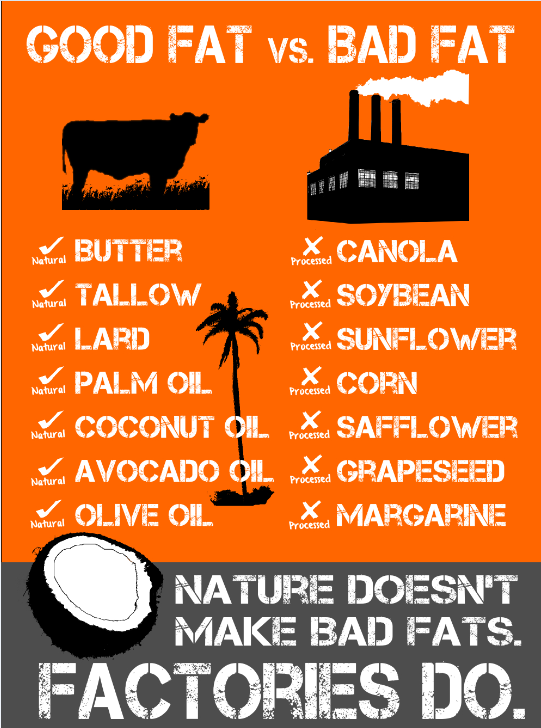
Many people think that because virgin coconut oil has a high proportion of saturated fat it is bad for you to eat. This is one of the greatest myths surrounding coconut oil and now turn to dispelling this myth and seeing how you can use coconut oil as a an aid to weight loss.

 The chemical make-up of coconut fats 90% of coconut oil is saturated fat. Sounds like a nightmare, doesn't it, but a closer examination reveals the surprising truth.

This is because most of the saturated fatty acids in coconut oil are what are known as medium chain triglycerides. Medium chain triglycerides are actually easier for your body to break down than other saturated fats. Especially those found in fast food and other artificially created products. This is because there are fundamental differences in the chain composition in these fats which mean
they are harder for your body to breakdown - which in turn means they are more likely to accumulate in your arteries and in your skin tissue. 

Further, the saturated fats in coconut oil - especially the Lauric acid actually increase the body's metabolism and promote optimal health of the thyroid and enzymes systems. Having a high metabolism means that the body burns calories at an increased rate. This is due to the acidity of your stomach acid and how effectively it can convert food to energy. Having a healthy gut will greatly
increase your chances of having a high metabolism and help you start shedding weight.

The enzymes contained within coconut oil actually act as catalysts to your stomach acid and help you break down fat at an increased rate- and as your metabolism is also increased you can burn a higher proportion of the calories you take in. They also help to promote a healthy gut by fighting bacteria and strengthening the stomach lining. Hence coconut oil actually is much better for you to use in cooking and food than other alternatives as it has added benefits not found in vegetable and olive oil.

Virgin coconut oil as it contains 50% Lauric acid is definitely well worth including in your diet. The easiest ways to do this are to replace your cooking oil with coconut oil - which incidentally is much more complimentary to the tastes of many foods, especially curries and stir-fry’s. Alternatively you can also use coconut milk more regularly in your cooking as it can be a key ingredient in
a variety of delicious curries.

Damian@FitnHealthy


Saturday, 30 May 2015

High Protein Bread

 
I use this product daily.  If you want a delicious high protein bread try this. This is a super low carb, high protein, high fat loaf, it is gain-free, sugar-free and has dairy-free options. Delicious served toasted with eggs or avocado (or both) or just use as a sandwich base and fill with your favourite ingredients.

Prep time:
15mins
Cook time: 50mins
Yield: approx 20 slices

Ingredients:

  • 3 scoops Coconut 180Superfood
  • 1 cup ground linseed
  • 1/2 cup pumpkin seeds
  • 1/4 cup sunflower seeds
  • 2 Tbs chia seeds
  • 2 Tbs sesame seeds
  • 1/4 tsp salt
  • 2 tsp baking powder
  • 60g melted butter or coconut oil
  • 4 eggs
  • 1/2 cup natural yoghurt or coconut cream
  • 1 Tbs apple cider vinegar

Instructions:
  1. Preheat oven to 180c and line a loaf tin with baking paper.
  2. Place pumpkin seeds and sunflower seeds in a food processor and process until ground but still with some chunky bits.
  3. In a large bowl mix together 180, ground linseed, chia seeds, sesame seeds, salt, baking powder, pumpkin seeds and sunflower seeds.
  4. In a separate bowl whisk together wet ingredients until well combined.
  5. Pour wet ingredients into dry and mix gently to combine – will make a thick batter (not a bread dough), if it seems too dry add some extra yoghurt or coconut cream.
  6. Transfer to loaf tin and bake for approx 50mins until firm.

Nutritional Information:
Amount per slice – approx 20 slices 
Calories 154.8 Total Carbohydrates  4.9g
Total Fat 12.4g Dietary Fibre 3.2g
Saturated Fat 4.0g Sugars 0.5g
Polyunsaturated Fat 3.4g Protein 7.5g
Monounsaturated Fat 2.9g Sodium 53mg

Net Carbs per slice = 1.7g (Total carbs – indigestible fibre which has no impact on blood sugar).

Enjoy !!

We'd love to hear how yours turns out please post up your comments :)

Wednesday, 29 April 2015

9 Supermarket Mistakes

Mistake #1: You go to the grocery store following a workout.
Grocery shoppingIt seems logical to hit the supermarket at a time when you want to restore depleted glycogen stores as fast as possible, but after a workout you're probably more hungry than usual. When you're hungry, everything is more appealing and you'll buy foods that aren't ideal for your healthy eating plan. This happens even if you know better! For years we've avoided shopping while hungry, but when we were on vacation recently, we headed to the store after a long run and we were ravenous. We left the store with all sorts of unhealthy foods, like cookies and even processed cheese (gulp!). We regretted it later.
The Fix: Either carry your post-workout snack or meal with you or head directly for that meal after your workout. Go to the grocery store another time, or at least wait until after you've eaten! And if you MUST go food shopping, plan exactly what you will buy before you enter the store.

Mistake #2: You forgot your grocery list.
This means you no longer have a game plan, which in essence means everything is "game." Yep, the Chips Ahoy, the Cheetos and the Entenmann's cake may all end up in your cart.
The Fix: If you left your list at home, sit in the car (or simply stand at the entrance of the store) and take a couple of minutes to rewrite your list before you start shopping. The time spent is well worth it! Include healthy foods like vegetables, fruits, non-fat dairy products, whole grains, eggs, legumes and lean proteins. By focusing on all of the healthy foods, you won't think about including the foods that aren't so healthy.

Mistake #3: You mosey through the store.
It's fun and relaxing to spend time in the grocery store (We love it—after all, we're in the business of food!), but the longer you stay there, the more likely you are to buy food that you will soon wish you hadn't.
The Fix: Shop quickly and as though you are on a mission (you are!). Stay focused on your list so you can get your items and move on. Be sure to shop the perimeter of the store, where you'll find produce, lean meats and the dairy case. For the remaining items, only go down the aisle of the specific item you need. Pssst… this works! Tammy was in California last week and her daughters leisurely led the way aisle by aisle and they ended up with far too much junk in the cart. This week, they were back on track, only shopping the perimeter of the store—and coming home with healthy items. Phew!

Mistake #4: You avoid frozen produce and assume it's not as nutritious as fresh.
Despite good intentions to prepare a nutrient-packed meal with plenty of vegetables, you often find rotten or wilted produce in your fridge and your plan is thwarted. In the past, this happened to us, too, and we can tell you it completely derailed our healthy eating plan.
The Fix: Stock up on frozen produce—it stays good for up to a year! Frozen is just as healthy as fresh and, in some instances, is even healthier and contains more nutrients than fresh because it's frozen immediately after being picked, meaning the nutrients are intact. Fresh produce, on the other hand, may have traveled for two weeks from the farm to the grocery store and lost nutrients over time and during exposure to heat or light. We love frozen veggies—they taste great, are always in season and accompany nearly every meal we make. And best yet, we never have to worry about them going bad!

Mistake # 5: You fall for the claim on the front of the food package.
Have you ever picked up a food because the label on the front says "healthy," "organic," "all-natural" or "low-calorie," but pay no attention to the Nutrition Facts Panel? Often we find that our clients are duped by clever marketing. For instance, a popular cereal boasts, "lightly sweetened." There's no FDA regulation for this claim. (The FDA regulates the use of "sugar-free," which means the food contains less than 0.5 grams of sugar per serving, and "no added sugars" or "without added sugars," which mean that no sugar or sugar-containing ingredient was added during processing.) You would expect a "lightly sweetened" cereal to have a few grams of sugar. Not so! Most of these cereals have upwards of 14 grams (3-1/2 teaspoons)! Compare that to 1 gram of sugar in Cheerios.
The Fix: Read the Nutrition Facts Panel. It's the only way to know what you're actually getting. And be sure to pay special attention to the serving size on the nutrition label.

Mistake #6: You buy a food simply because it's organic.
This is one of the most common mistakes we see. Just because a food is "organic" doesn't mean it's healthy or that it's good for you. Organic cookies are still cookies. Organic chocolate…still chocolate. Organic ice cream, well you get it.
The Fix: Even when you buy an organic food, read the nutrition label. Make sure that food is not loaded with sugar, artery-clogging saturated fat or bloating and bad-for-your blood pressure sodium.

Mistake #7: You pay no attention to salt.
Salt makes you hungrier, thirstier and it increases cravings. Plus, when you eat a lot of salt, (think soy sauce, deli meats, canned soup, processed foods, restaurant meals, fries, chips) the body responds by holding on to water to dilute the sodium and maintain it at the proper concentration, which is why you weigh more and look bloated with a distended stomach. Plus, too much salt increases your risk of high blood pressure and stroke.

The Fix: Again, it comes down to reading labels. To help avoid the risk of high blood pressure, keep your sodium intake to 2,400 – 3,000 mg or less per day. (The American Heart Association recommends no more than 3,000 mg of sodium per day for healthy adults.

Mistake #8: You buy granola for breakfast thinking it's a healthy choice.
Although granola can be healthy, it typically is packed with sugar, calories and, in many cases, hydrogenated oils. One small bowl can set you back upwards of 600 calories and 12 teaspoons of sugar!
The Fix: Go for whole grain, unprocessed oatmeal or high-fiber, low-sugar, whole-grain cereal. Then add your own berries or fresh fruit.

Mistake #9: You purchase a food that normally wouldn't be considered healthy because the label claims it's "made with real fruit."
Unfortunately, a bottle of juice or a box of fruit snacks with photos of fruit on the label doesn’t mean it contains fruit (think Pop-Tarts). Many products with this claim contain no real fruit at all and instead contain food dyes and nearly half of their weight in sugar. Eek!
The Fix: Plan on getting your fruit servings from the real deal. If you don't see actual pieces of fruit as you eat, don't count on getting fruit from the food.

Source Tammy Lakatos Shames and Elysse /ACE


Saturday, 25 April 2015

The Paleo Diet, What Is It?

After a lot of chatting around the Team table, we decided to cover Paleo, what is it and to you our members a detailed brief ..

The Paleo Diet is an ancient way of eating that just may be able to improve the quality of your modern life. The theory behind Paleo is that our genetic makeup is still very similar to that of our caveman ancestors who lived during the Paleolithic Era more than a million years ago. And that we can benefit by following the diet of those primitive but rugged people. 
 
 
 Agriculture, the farming of plant crops for food, has only been practiced for the past 10,000 years. The Paleo belief is that this is not enough time for us, as a species, to properly adapt to the intake and digestion of these food types. That more time is required for the human metabolism and physiology to adjust to foods like wheat and other grains, legumes (beans) and dairy products. And this is one reason why we have so much lactose intolerance, so many people have wheat allergies and complain of indigestion and acid reflux disease. 

The Paleo diet is basically the diet of the caveman: lean meats and seafood, fresh vegetables and fruit and seeds and nuts. This diet avoids all processed foods, meaning, if it's packaged, don't eat it. The main ingredient to Paleo eating is lean animal protein in the form of beef, pork or seafood. This also includes organ meat like tongue, liver and sweetbreads.

Dairy is out since cavemen did not tend to herds of cows, sheep or other animals. Eggs, however, are allowed as the cavemen probably were able to occasionally gather eggs from nests. Nuts and seeds are also permitted and are an important source of €good€ fats, the polyunsaturated and monounsaturated fats. Our bodies require fat in order to function properly and these good fats will not contribute to heart disease and high blood pressure. They do contain calories, however, so if you're trying to lose weight you'll want to watch your intake of nuts and seeds. But by following the Paleo diet, you will increase your metabolism, which will allow you to increase your intake of nuts and seeds without gaining weight.

But the sky is the limit pretty much when it comes to fruits and vegetables. You can eat as much of those as you like and any kinds with one exception. Stay away from potatoes. But anything that is green is great. Green leafy vegetables provide high amounts of fiber, they are rich in folic acid, vitamin C, potassium and magnesium, all essential nutrients. And the same for fruit, though again, if you're trying to lose weight you should avoid the high fructose fruits such as grapes and melons and eat more citrus. 

A good rule of thumb with Paleo is to avoid foods that come in a box or other such packaging. But there are a few other foods you'll want to stay away from that you may not consider to be packaged foods. Those include grains, sugar and dairy products. So no bread, cookies, pasta or alcohol. No sodas, candy or other sweets and no syrup on your pancakes. Wait, no pancakes! And of course, no butter, cheese or milk. This diet may seem very limiting. But there are many testimonials that the benefits gained from following this diet can be liberating, even life changing. 
 

Friday, 12 December 2014

The Coconut Oil Craze


Registered dietitian nutritionists, we enjoy watching food trends emerge and then seeing how long they last. From locally grown to gluten free to kale, we get a kick out of seeing the supermarket aisles exploding with innovative foods. And unless you’ve been hiding under, well, a coconut shell, you’ve likely seen that coconut oil is getting a lot of attention these days. What’s this craze all about and is it worthy of real estate in your fridge or pantry?

You may have seen the internet buzzing with claims that coconut oil protects against cancer and Alzheimer’s, dissolves kidney stones and will help you to lose excess body fat. But does it really?

The Coconut Advantage

Coconut oils do have benefits. As girls who love the flavor of coconut and remember pleading with our mom to let us have a virgin piña colada, and trading our Halloween candy for Mounds bars, we have to admit we’re pretty happy about this!

First, coconut oil has a high percentage of medium-chain triglycerides, or MCTs. And although this may not mean much to you, it’s actually pretty cool (yep, we’re science nerds). Most oils consist entirely of long-chain triglycerides, or LCTs, and MCTs and LCTs are metabolized in the body differently. MCTs are more likely to be burned as fuel and they slightly raise metabolic rate. So they’re less likely to be circulated through the body and deposited in fat tissues.

And for candy manufacturers, coconut oil is as dreamy as sitting beachside on a tropical island sipping piña coladas. It stays solid at room temperature and doesn’t spoil quickly thanks to its super-high percentage of saturated fat. And let’s face it, that tropical flavor is pretty delicious to most discerning taste buds.

The Facts: The American Heart Association and Nutrition Researchers are Leaving Coconut Under the Shade of the Palm Tree

While coconut oil has no cholesterol and some of its fatty acids are different than the saturated fat found in animal products, it still contains more saturated fat—the main dietary culprit for raising blood cholesterol and clogging arteries—than butter. Yes, numerous studies have shown that coconut oil can raise LDL (your body’s bad cholesterol) and, according to nutrition researchers at Tufts, it induces atherosclerosis (heart disease), too. We know—this breaks our hearts too. The American Heart Association recommends a maximum of 16 grams of saturated fat daily based on a 2,000-calorie diet. Include one-and-a-half tablespoons of coconut oil in your diet daily and you’ve already exceeded the recommendations. And a large percentage of coconut’s saturated fats aren’t the good MCT’s; roughly 40 percent of them are long chain, artery-clogging, saturated fats. Aw, man!

As for coconut oil and weight loss, there just isn’t research to support it.

So What Do You Do if You Really Like Coconut? While we (and especially our taste buds) remain hopeful that there will be more research to validate our affinity for coconut, at this time, we feel it would be unethical to recommend replacing any of your heart-healthy fats like olive oil for coconut oil, or to recommend adding it to your diet to assist with weight loss. Keep in mind, fat is fat, and coconut oil is still high in calories, which can quickly add up around your waist. However, consider using coconut oil as a condiment rather than your go-to oil or applying it liberally. Fortunately, just a little bit goes a long way in adding yummy flavor and texture.


Source: Tammy Lakatos Shames and Elysse (“Lyssie”) Lakatos, The Nutrition Twins®,