Showing posts with label muscle cramps. Show all posts

Monday, 15 February 2016

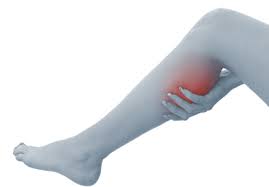
Muscle Cramps: Unmasking the Fitness Dilemma

The article talks about the occurrence of muscle cramps among individuals who want stay fit and improve their health. Rather than taking medication and drugs to treat muscle cramps, individuals are advised to make adjustments in their training routine and diets to lessen the development of muscle cramps.
 
People nowadays are becoming more conscious about their health, recognizing the importance of exercise and physical activities in their lives. Many have been integrating exercises like jogging, skipping ropes, brisk walking, and other similar exercises in their daily routines. However, there are instances that people who exercise, especially those who run or jog, can be vulnerable to muscle cramps. Muscle cramps are the involuntary and forcible contraction of the muscles. These cramps can be related to a part of a muscle, the entire muscle, or a group of muscles. It may occur many times before it is relieved. Sometimes there can be simultaneous cramps that move body parts in opposite directions. Statistics show that about 95% of individuals experience muscle cramps at some point of their lives.

 Muscle cramps can be caused by different factors which may include poor flexibility, muscle fatigue, electrolyte and mineral depletion, excessive physical exertion, and dehydration. Electrolytes are minerals in the blood and other fluids that carry an energy charge. In addition to these causes, muscle cramps can be linked to some factors like improper breathing and unhealthy diets.
Muscle cramps may disappear on their own, but there are some things that can be done to lessen their severity and longevity. Below are some of the things that can be done to treat muscle cramps.

· Stop the activity that triggered the muscle cramp
· Gently stretch the affected muscle
· Keep the affected muscle moving with light activity (standing and walking around)
· Massage the affected area to aid blood flow

Making adjustments in one's training routine may help prevent the occurrence of muscle cramp. Improving one's cardiovascular fitness may also boost the flow of blood to the muscles. A strong heart may guarantee that there are sufficient amounts of oxygen and nutrients in the muscles for them to function properly. Stretching may also help the muscles become more loose and flexible that may stop the muscles from tightening and cramping. Stretching coupled with a good warm-up session may lead to increased range of movements and help prevent injuries and muscle cramps by prompting muscle recovery.
In terms of breathing and healthy diets, people who workout should make sure that plenty of water is taken before and while working out to replace lost electrolytes. Deep breaths should be done while working out to allow consumption of plenty of oxygen. Studies show that when oxygen intake is more efficient the following may take place: slower heart rate, decreased blood pressure, eased anxiety, and relaxed muscles. Workouts should not be overdone to prevent the occurrence of muscle cramps. Any cramping usually subside after a few minutes of rest but if individuals are having trouble with their cramps they should seek the advise of doctors of other health specialists.

Rather than seek for the treatments or remedies for muscle cramps engaging in proper pre-workout and workout routines may eliminate or lessen the occurrence of these health ailment. The use of over-the-counter medication to treat muscle cramps is not prohibited. But individuals who wish to try them should consult doctors before taking them and not self-medicate. Proper workouts and healthy diets prioritized rather than taking muscle relaxants and other medications to treat muscle cramps.


Damian@FitnHealthy

Saturday, 5 September 2015

Are You Overdoing It?

Have you started to dread working out? Not the normal, "I don't feel like it today," but a deeper, "I can't do it" signal coming from your muscles themselves? While most would blame it on laziness, you may be pushing yourself too far; it happens more than one might think. So often, in fact, that it actually has a name: overtraining. "Exercise is like taking two steps forward, and rest is one step back," says C.C. Cunningham, owner of PerformENHANCE Sport and Adventure Athlete Training in Chicago and a spokesperson for the American Council on Exercise. "In order to take the next step forward, you need to take one step back with rest. If you overtrain, you never get past step one and your workouts become hard."
The irony of exercise is that while it's so good for your body it actually causes damage to the muscles. Not damage in the conventional negative sense but a "good" kind of damage that the body adapts to, overcomes, and gets stronger because of. Namely, when weight training, you cause small tears—known as microtears—in the muscle, which stimulate muscles to adapt both in size and chemistry. During aerobic exercise, another kind of damage occurs, because the muscles utilize oxygen to make energy from fuels like glucose and glycogen. When you're exercising extra hard or for a long time, the body goes into anaerobic cell metabolism, where the muscles use only glucose for energy and produce lactic acid. This buildup of lactic acid causes your muscles to feel fatigued. Between workouts, your muscles clear out the lactic acid and rebuild themselves and their glucose and glycogen stores. The effects of overtraining manifest themselves when you don't give your body enough R and R between workouts. The next time you exercise, your muscles' energy levels won't be refurbished and your body won't be ready to handle the "good" damage. The more run-down your body becomes, the less you'll gain from your training activity. Workouts that were once easy become hard, because your body simply lacks the energy to perform.
As for the exact cause of overtraining, some researchers attribute it to a low energy supply to the muscles, which forces the body to discourage more exercise until stores can be replenished. Others blame free radicals—groups of atoms that build up during endurance training and damage muscle cells. When you start accumulating a lot of free radicals, you may start damaging tissue faster than you can repair it—thus your power, speed, and endurance may decline.

So, how much is too much? While there is no specific quantity of exercise that will induce overtraining, "It would be just as normal for a marathoner who usually runs ten miles a day to overtrain on fifteen miles as it would for a sprinter to overtrain after running straight through for an hour," says Cunningham. Overtraining is much more common, she notes, in athletes who train six to seven days per week than those working out only three to four times per week. "The condition is common among fitness enthusiasts who work out more than once a day and those who do high-impact exercises, like running," notes Declan Connolly, Ph.D., director of the University of Vermont's Human Performance Laboratory. Cunningham adds, "We see it in a lot of people who are exercising to lose weight and who may train one hour a day, seven days a week."

To anyone who works out on a regular basis, the effects of overtraining are quickly noticeable. "Overtraining makes you unable to exercise at your customary level," explains Michael Kellman, Ph.D., assistant professor in the Department of Sports Science, University of Potsdam, Germany, and author of Optimal Recovery: Preventing Underperformance in Athletes. The physical symptoms include impaired performance, vulnerability to injuries, loss of appetite, weight-loss, disturbed sleep, an increased susceptibility to illness, an elevated resting heart rate and possibly hormonal changes. "Rather than feeling like you want to slow down or take a few days off," Connolly says, "you'll feel like you want to quit altogether."
 
 The most obvious remedy is downtime. "As soon as you start to feel symptoms, take at least one week off," advises Cunningham. "Gradually go back to what you were doing before, but start with lighter, shorter workouts and slowly work your way back." Taking a day or two of rest between workouts won't set you back either, says Connolly. In fact, it will improve your performance. "Alternate your workouts between low and high intensity," Connolly advises, "or do something you wouldn't normally do—take a swim or go for a slow bike ride." Make lifestyle changes by concentrating on getting a good amount of rest and eating a balanced diet. "The repair process requires protein to rebuild tissue, and carbohydrates and fat to fuel it," says Cunninghan.

How to avoid it? Listen to your body. "If a workout feels bad or if you just don't have the energy, then go home," urges Cunningham. Or try a workout that stresses a different muscle group or that incorporates cross-training into your fitness program. "Cross-training develops better all-around fitness," says Connolly. "It addresses aerobic fitness, anaerobic fitness, and strength while at the same time helping you maintain better functionality of movement." Cross-training also helps to balance muscle strength, making it less likely that you'll reach an overtrained state. The bonus, says Connolly: "It really prevents boredom"

Source Laura Kenney

Thursday, 20 August 2015

Muscle Cramps: Unmasking the Fitness Dilemma

The article talks about the occurrence of muscle cramps among individuals who want stay fit and improve their health. Rather than taking medication and drugs to treat muscle cramps, individuals are advised to make adjustments in their training routine and diets to lessen the development of muscle cramps.
 
People nowadays are becoming more conscious about their health, recognizing the importance of exercise and physical activities in their lives. Many have been integrating exercises like jogging, skipping ropes, brisk walking, and other similar exercises in their daily routines. However, there are instances that people who exercise, especially those who run or jog, can be vulnerable to muscle cramps. Muscle cramps are the involuntary and forcible contraction of the muscles. These cramps can be related to a part of a muscle, the entire muscle, or a group of muscles. It may occur many times before it is relieved. Sometimes there can be simultaneous cramps that move body parts in opposite directions. Statistics show that about 95% of individuals experience muscle cramps at some point of their lives.

 Muscle cramps can be caused by different factors which may include poor flexibility, muscle fatigue, electrolyte and mineral depletion, excessive physical exertion, and dehydration. Electrolytes are minerals in the blood and other fluids that carry an energy charge. In addition to these causes, muscle cramps can be linked to some factors like improper breathing and unhealthy diets.

Muscle cramps may disappear on their own, but there are some things that can be done to lessen their severity and longevity. Below are some of the things that can be done to treat muscle cramps.

· Stop the activity that triggered the muscle cramp
· Gently stretch the affected muscle
· Keep the affected muscle moving with light activity (standing and walking around)
· Massage the affected area to aid blood flow

Making adjustments in one's training routine may help prevent the occurrence of muscle cramp. Improving one's cardiovascular fitness may also boost the flow of blood to the muscles. A strong heart may guarantee that there are sufficient amounts of oxygen and nutrients in the muscles for them to function properly. Stretching may also help the muscles become more loose and flexible that may stop the muscles from tightening and cramping. Stretching coupled with a good warm-up session may lead to increased range of movements and help prevent injuries and muscle cramps by prompting muscle recovery.
 
In terms of breathing and healthy diets, people who workout should make sure that plenty of water is taken before and while working out to replace lost electrolytes. Deep breaths should be done while working out to allow consumption of plenty of oxygen. Studies show that when oxygen intake is more efficient the following may take place: slower heart rate, decreased blood pressure, eased anxiety, and relaxed muscles. Workouts should not be overdone to prevent the occurrence of muscle cramps. Any cramping usually subside after a few minutes of rest but if individuals are having trouble with their cramps they should seek the advise of doctors of other health specialists.

Rather than seek for the treatments or remedies for muscle cramps engaging in proper pre-workout and workout routines may eliminate or lessen the occurrence of these health ailment. The use of over-the-counter medication to treat muscle cramps is not prohibited. But individuals who wish to try them should consult doctors before taking them and not self-medicate. Proper workouts and healthy diets prioritized rather than taking muscle relaxants and other medications to treat muscle cramps.


Damian@FitnHealthy