Showing posts with label Recipes. Show all posts

Sunday, 10 May 2015

POWER Paleo Protein Balls


POWER Paleo Protein balls

 1/2 cup of nut butter (cashew, almond)

 2 tablespoon of raw honey - we use Manuka from New Zealand

 2 tablespoon of cocoa nibs get dark or grate up some dark chocolate

 2 tablespoon of shredded coconut 

 3/4 cup of protein powder we use a Undenatured Powder with 24 Grams Protein ( Free of Gluten and Soy )

 1 teaspoon organic, alcohol free vanilla optional , or use ground Organic Cinnamon to suit your taste buds 

 2 tablespoon crushed nuts (raw almonds) some places have slithered almonds or get yours and hit with rolling pin etc

Method is mix all in a bowl and then once well mixed the texture should be a little sticky but not to wet , roll into small balls as shown then coat with shredded coconut .


Saturday, 14 February 2015

How to Prepare for Exercise After an Injury


Injuries occur at any time and for any reason. If you get injured, you may not know how to proceed and prepare for exercise post-injury. This mind-and-body guide can help prepare you for a brighter, injury-free future in fitness and performance. 
Seek Medical Care
Pain, swelling, discoloration of the skin and chronic discomfort is your body’s way of letting you know that something is not right. Acute pain, if left untreated, eventually leads to chronic pain, which usually requires longer recovery and treatment methods. 
The first step to overcoming an injury is to seek medical care. Follow your healthcare professional’s recovery and rehabilitation protocols to ensure that your body heals appropriately. Pushing beyond protocols and avoiding corrective care prolongs recovery, so take care of the injury before planning your first post-injury run, hike or workout. 
Overcome Mental Battles
One of the hardest things to overcome when injured is the mental battle caused from a lack of movement and progress. If you’re someone who thrives with regular exercise, you may find yourself disconnecting emotionally when forced to be sedentary. Also, you may be concerned about losing some of the fitness you’ve worked so hard to achieve.    
It is important to accept the present moment. When injured, it is easy to let the mind spiral with negative thoughts, and extreme sadness can hinder the body from healing.  All of this can lead to depression or despair, so it’s important to remind yourself that your body will once again reach its potential. 
Question Yourself
Work to overcome mental battles by answering these questions, which will increase awareness of the injury and prepare you better for the future.
How did I get here?
This question can help you realize why or how you became injured. Reasons vary from overtraining, not wearing the appropriate footwear, pushing limits or not paying attention. If unsure, take note of what could be improved for the future. 
How do I get out of here?
Once you define how the injury occurred, you can better plan for the future. Talk to your healthcare professional about appropriate rehabilitation progressions. Ask the provider to specify if the injury is an imbalance or genetic issue. For example, plantar fasciitis is most often caused by overuse, whereas a bunion (bony growth) develops in early ages and is labeled as genetic. 
Ask your provider whether the injury is correctable with rehab, or if exercise alterations are required to avoid future problems. 
Is the injury a blessing in disguise?
Ask yourself, “Is there a silver lining to the injury?” Sometimes the most positive situations arise out from a negative event. For example, an injured marathon trainee may be forced to correct his or her running gait during rehabilitation. Because of the improvement, the runner improves performance and spares his or her body from running hundreds of training miles with incorrect form, which could have led to a more severe injury. 
What seems like a setback may actually be for your benefit. 
How do I stay positive?
The first step to staying positive is to remember that your injury is temporary. Next, use positive-thinking tools, such as motivational quotes or positive-reinforcement meditations, to maintain a positive outlook. Regardless of which tool is your preference, do your best to think positively and avoid falling into the trap of doomsday thinking. 
Also, talk about your injury as if it is temporary. Use sentences such as, “I will run again,” rather than, “I hope to run again.” Saying, “I will” trains the brain to know what it wants and focuses on the specific goal. “I will” clearly defines what you want and sets the tone for your future. This determination keeps the mind focused and clear of distractions.      
The Importance of Cross Training
Cross training allows the body to exercise while moving in various planes of motion. This reduces repetitive motions and impact from performing the same exercise repeatedly. Post-recovery, it is important not to overstress the healed area, which is still susceptible to reinjury. Take the load and stress off the body with cross training. For example, a weightlifter can benefit from alternative resistance training such as yoga or Pilates, while a runner can benefit from low-impact cardio exercise such as aqua jogging, swimming or cycling. 

Source Elizabeth Kovar M.A, personal trainer and yoga/fitness instructor
 

Wednesday, 28 January 2015

The Do's and Don'ts of Flexibility Training

The Do's and Don'ts of Flexibility Training

While research clearly indicates that joint range of motion is improved acutely and chronically following flexibility exercises, flexibility training continues to be one of the most overlooked aspects of most people’s fitness programs. With a growing focus on functional training to adequately prepare the body to perform optimally, not only when completing exercises in the gym but also when engaging in activities in everyday life, it’s imperative that proper levels of joint mobility be established to ensure quality movement.
While more studies are needed to definitively understand the effect of flexibility training plays in reducing the risk of injuries and minimizing delayed onset muscle soreness, based on the current available research there are some things we know that we should be doing—and not be doing—when it comes to this essential component of a well-rounded workout routine.
Do: Roll it out.
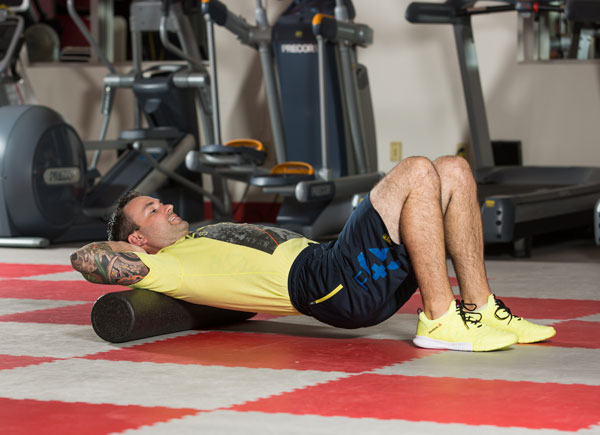
foam rolling
While most people think stretching is the only way to enhance flexibility, self-myofascial release to address tissue density is also effective and should be incorporated into your exercise experience. Beginning your warm-up by using tools such as a foam roller or tennis ball to decrease trigger points or “knots” within the muscles by applying pressure to commonly tight areas of the body can help to relieve tension and increase blood flow. In turn, this helps to enhance mobility and improve overall movement quality. Interestingly, self-myofascial release can also be incorporated into the cool-down to offer even more flexibility-related benefits, as first focusing on tissue density will then help to then address tissue length through the completion of static stretching.
Don’t: Go in completely cold.
jump rope
As noted in the current exercise guidelines, research suggests that flexibility exercise is most effective when the muscles are warm. Therefore, engaging in light aerobic activity—such as jogging, jumping rope or briskly walking—to get the blood flowing to the tissues can prove beneficial before performing static stretches.
Do: Get mobile.
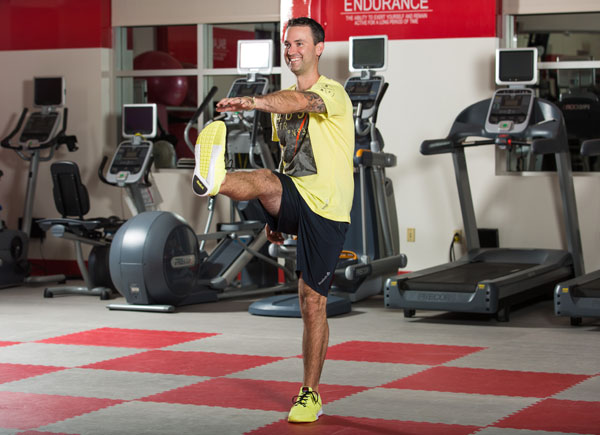
leg kicks
When it comes to injury prevention, ensuring adequate joint mobility is imperative. The body is comprised of joints that tend to favor stability—such as the knees and lumbar spine—and joints that favor mobility—including the ankles, hips, thoracic spine and shoulders. To get more out of your movements, your workouts should include a dynamic warm-up to enhance range of motion in these four areas. This should include movements that mimic the five primary movement patterns: bend-and-lift movements (squatting); single-leg movements (lunging); pushing; pulling; and rotational or twisting movements. The warm-up should serve as a dress rehearsal for specific exercises within a given workout, activity or sport, an to increase core body temperature, address movement deficiencies, improve joint range of motion and reduce the risk of injuries in both the gym and during everyday life.
Don’t: Focus only on one area.
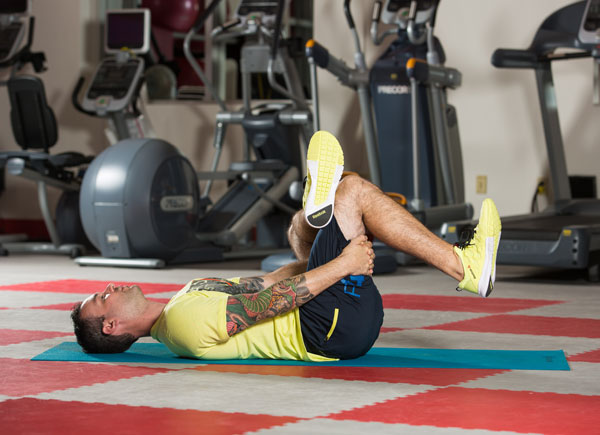
external rotator stretch
Flexibility training, like resistance training, is joint specific, meaning there’s not one specific exercise or stretch to do to improve your overall flexibility. Instead, incorporate a variety of different movements and stretching techniques into your training to target the major muscle tendon units of the neck, chest, shoulder girdle, trunk, lower back, hips, legs and ankles.
Do: Mix up your approach.
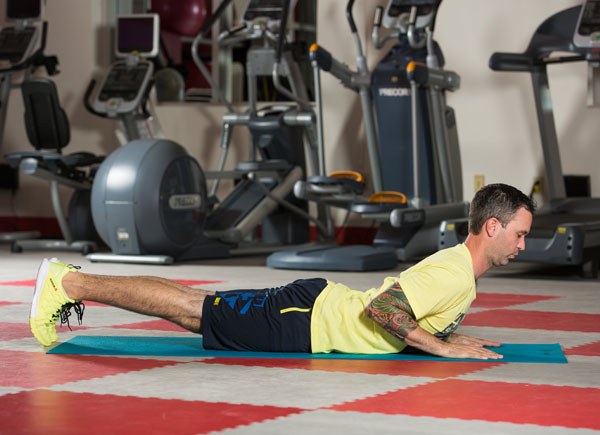
upward facing dog
From proprioceptive neuromuscular facilitation (PNF) with a partner to static stretching in mind-body modalities like yoga, mixing up your approach to flexibility will not only offer improvement in range of motion around the joints, it will also keep this component of your workout routine exciting and ultimately more enjoyable.
Don’t: Make it painful.
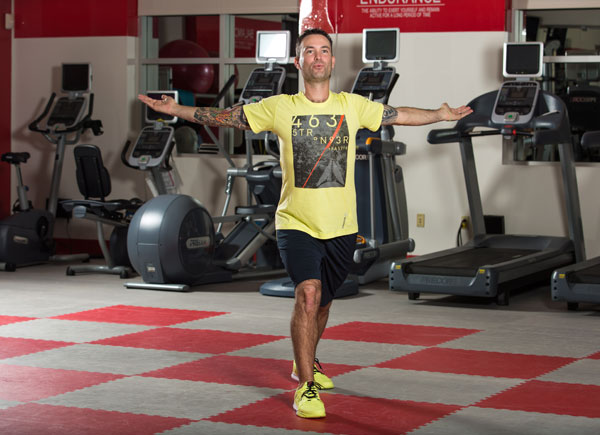
chest stretch
As is the case with any aspect of fitness, when it comes to flexibility training, you want to feel challenged. However, there’s a big difference between slight discomfort and extreme pain. When performing static stretching, make it a point to stretch only to the point of feeling mild tightness or slight discomfort to ensure the greatest level of safety and effectiveness.
Do: Make it a priority.
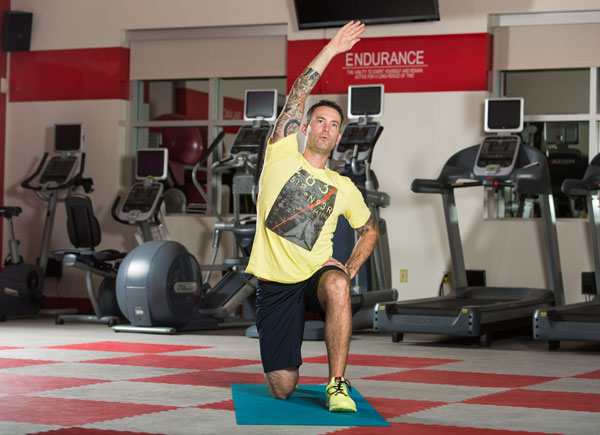
kneeling stretch
Studies have shown that while range of motion around a joint is improved immediately following flexibility exercises, chronic improvements are seen after three to four weeks of regularly stretching at least two to three times per week. For the greatest benefit, perform your flexibility training after your resistance-training workouts and stay committed in your approach to stretching regularly.
Don’t: Skimp on static stretching.
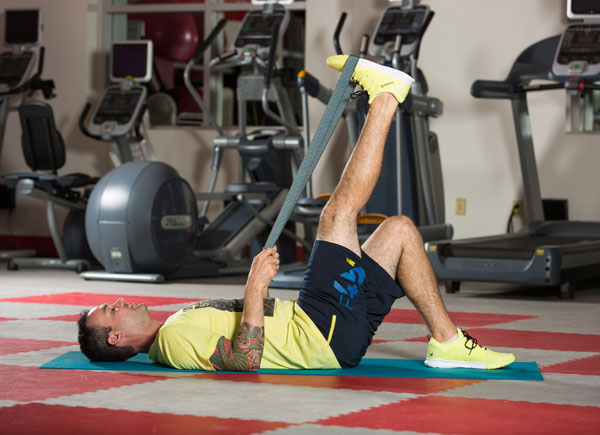
hamstring stretch
For best results, aim to hold each static stretch for 15 to 30 seconds and repeat each one two to four times, completing a total of 60 seconds per joint.

Source : Jessica Matthews, M.S., E-RYT / ACE 


Wednesday, 10 December 2014

10 Tips for Surviving Holiday Parties


Holidays can cause havoc on your diet because most holiday gatherings include indulgent foods and drinks. In fact, the average weight gain between Halloween and New Year’s is 8 pounds. But surviving the holidays can be made a whole lot easier by employing the following survival techniques:
Where’s the beef? Protein helps to stabilize your blood sugar and make it easier to avoid hunger cravings, so eat a small amount of lean protein like turkey or chicken before you head out to a party. And be sure to reach for the meats, shrimp and seafood—in fact, 26 medium shrimp cocktail contains just 200 calories. 
Crack up. Dips that are creamy or cheesy are already high in calories and fat, but if you just can’t skip them, dip with vegetables instead of higher-calorie crackers or breads. Just a taste may be enough to satisfy that craving. 
Chew on it. Gum may be a good way to keep yourself from picking at foods when you’re really hungry. Plus, chewing gum before you walk into a party will give you fresh breath and may delay your first bite or beverage. 
The glass is half full. Most social gatherings offer high-calorie alcoholic beverages like egg nog, cordials, margaritas and martinis. Wine and beer are lower-calorie options; mixers like club soda and water and condiments like lemons and limes can also help lower calorie totals. Even better: Alternate each alcoholic drink with a large glass of water to cut calories in half and keep you feeling full.
Plan ahead. Consider what you eat earlier in the day or even the day before a big celebration. Planning a lighter lunch or breakfast can help balance out the calorie overload from an upcoming celebration.
Get in some extra workouts. Knowing that this time of year is busy, it can be easy to justify skipping your workouts. But keeping them consistent or adding in an extra workout may be just what you need to stick to your health goals. Even 20 minutes of walking can burn off an extra 100 to 150 calories, which may be enough to help keep extra pounds from creeping on during the holidays.
Sleep in. Sleep deprivation can have a huge impact on your waistline. That’s because lack of sleep increases gherlin, which is a hormone that makes you hungry and limits the secretion of leptin, which helps burn fat. Be sure to get enough sleep following late-night celebrations by sleeping in or taking a short 20-minute catnap to catch up.
No loitering. A good way to eat less at a party is to stay away from the food. Simply stay out of the kitchen and choose to socialize away from the buffet. Walking just a few steps away can help prevent you from the mindless grazing that often adds up to lots of extra calories.
Opt in. It is good form to bring a holiday hostess gift, so why not bring the gift of healthy appetizers? Great options include shrimp cocktail, hummus with green and red peppers, and a plate filled with fresh berries, grapes and hard cheeses.
Take just one bite. It can be hard to pass up those holiday treats, cookies and pies, so take a smaller slice or just a bite. It will give you the satisfaction that you’re looking for and the first bite usually tastes much better than the last.

Source :  acefitness.org/Andrea Metcalf

Tuesday, 11 November 2014

Raw Cacao Power Balls


Ingredients:

  • 1 cup dried fruit (try 3/4 cup dates  + 1/4 cup of dried apricots)
  • 1 cup nuts (I used almonds and cashews)
  • 1/3 cup coconut oil
  • 1/3 cup organic raw cacao powder
  • 1 tablespoon chia seeds
  • 1/2 cup shredded coconut

Method:

Soak medjool dates (if using them) for 15 minutes in warm water to soften.  While waiting blend nuts on high speed until they reach a fine crumb/meal texture. Remove nuts from bowl and set aside. Blend dried fruit, cacao powder,1/4 cup of shredded coconut, coconut oil and seeds until it reaches a smooth texture.  Add the ground nuts and blend together until combined. Once the mixture is completely combined, remove the mixture from the processor with a spoon and roll into small balls.  Coat in shredded coconut and store in an airtight container in the fridge.  Leave them for at least a few hours so they reach a firmer texture.  These can also be stored in the freezer. The awsome part about this recipe is you can really get creative with the fruit and nut selections and you can also add your favourite seeds, superfood and Isagenix powders to make them even better.