Showing posts with label beginners workout. Show all posts

Friday, 19 February 2016

Fitness Programs for Women: Four Essential Tips

Fitness programs for women are often wrought with bad advice and pseudoscience. It's no wonder that so many fitness programs for women utterly fail! There's plenty of great information out there, but it can be impossible to find amidst the gimmicks, fad diets, and ineffective workout routines. If you're looking for fitness programs for women that really work, try using the four following tips.

1. Lift Heavy Weights
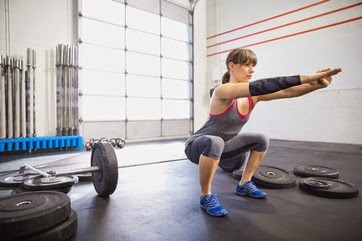
Plenty of women make their way into the weight room now and again, but most are afraid that they'll get "bulky" if they lift too heavy. That's nonsense! It takes male bodybuilders years of dedicated effort to pack on muscle mass, and they've got testosterone and tons of food on their side. Not only will you not get "too big" by lifting challenging weights - you'll actually look better.
Lifts like squats, bench presses, deadlifts, and other heavy movements are great for stimulating your metabolism and packing on a little bit of lean mass. Whether or not you realize it, that's really what you want! The right amount of muscle gives you a lean, fit look that you simply can't achieve with cardio alone. Challenging yourself in the gym will also cause you to burn more calories, which means you get to eat more and still lose weight.
2. Low Fat is NOT Healthy!
Some nutritionists are still stuck in the 1980s' low-fat craze, but avoiding dietary fat is NOT going to get you the results you want. In fact, most "low-fat" products like crackers, pretzels, and other grain-based products will make it nearly impossible to get lean! They make your blood sugar levels skyrocket, which in turn causes your body to secrete tons of insulin - a hormone which actually makes your body store even more fat. If you're trying to get lean, ditch most of your carbs and eat plenty of olive oil, avocados, nuts, and even some red meat.
3. Ease Up on the Cardio
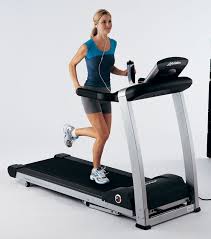
If you're going to start lifting heavy weights (which you should!), then you're also going to need to ease up on all of that cardio you're probably doing. Slaving away on a treadmill or elliptical is simply not necessary, and it eats up way too much of your time. It's great to do a few short sessions per week for your cardiovascular health, but hours upon hours of monotonous movement aren't going to help you lose fat.
However, there is a much better type of cardio for optimal fat loss: interval training! On a track, treadmill, elliptical, or exercise bike, simply alternate short bursts of all-out sprinting with longer bouts of active rest. For example, you might do eight rounds of fifteen-second sprints and forty-five second "jogs" on an elliptical machine. The whole thing will be over in under ten minutes, but the intensity of the workout will cause your body to burn more fat all day long.
4. Don't Under-eat
One of the worst things you can do in fitness programs for women is to eat too little. Your body is an adaptive machine, and it will respond to severe calorie restriction by slowing its metabolism way down. Have you ever noticed how lethargic, tired, and cold you get when you don't eat enough? Those are sure signs that your body is burning less fuel!
That's not to say that you shouldn't cut calories at all - your body does need a reason to use its fat stores for energy instead of your food. The key is to eat just little enough that you can burn fat while avoiding hunger. Focus first on the right food choices, and then start counting calories if you truly need to. Overall, it's best to take it slow and steady with your fitness programs for women and focus on losing no more than a pound per week.

Monday, 21 December 2015

5 Tips for Starting a Fitness Routine


Take the dread out of getting fit! It really doesn’t have to seem like an chore to get a fitness routine going, and stick with it. You’re most likely to follow through if workouts are planned in advance and you have realistic goals that have some flexibility.


Before you get started, remember that if you want to lose weight and feel healthy, you’ll need the right foods to fuel your body. You might like 11 Top-Rated Skinny Recipes Under 275 Calories, 5 Guilt-Free Comfort Foods with Fewer Than 275 Calories, and the 7-Day Clean Eating Menu.


1. Take Small Steps

Studies show it only takes 20 minutes of exercise for the brain to release the feel-good endorphins that lift your mood. Start with 20 minutes, then add about 10 minutes to the workout each week to ease yourself back in. If you’re really pressed for time and need a jumpstart, try Beginner’s 4-Minute Fat Blaster Workout or 4-Minute Lean-Down Workout.


2. Schedule Your Workouts

You know how it works. If you don’t schedule something, it doesn’t happen. Treat your fitness routine like any other important commitment and give it the priority it deserves. You’re worth it!


3. Try Something New

The best way to beat the holiday fitness slump is to enjoy your workout. Let’s face it. If you hate to do a specific exercise, you aren’t going to keep it up. After all, not everyone is designed to be a runner. Don’t be afraid to try new exercises and figure out which ones work best for you.


4. Find a Workout Buddy or Group

Team up with a friend who will keep you motivated and on track for success. Fitness classes are a smart way to stay motivated, too, because you can share and receive support from other class members.


5. Embrace Weights

The ideal workout combines cardio and strength training. Yes, strength training! Women are often afraid to lift weights out of fear of developing man-muscles. However, pumping iron tightens the body while boosting metabolism for faster weight loss. Try this 4-Minute Kettle Bell Fat Blaster.

These tips for jumping into a fitness routine will help get your body back in gear now that the holidays are over.

Source

Friday, 18 December 2015

Perfect Your Form

Do a better squat, perform a better lunge, and fix your flawed technique

Lunges

What You Do Wrong:
You lean forward, causing your front heel to rise.

1/ "Narrow your starting stance," says Gray Cook, author of Athletic Body in Balance. The closer your feet are, the harder your core has to work to stabilize your body.

2/ "As you do the lunge, focus on moving your torso only up and down, not pushing it forward," says Craig Rasmussen, a fitness coach at Results Fitness in Santa Clarita, California. This keeps your weight balanced evenly through your front foot, allowing you to press into the floor with your heel, which tones more lower-body muscle.

Squats

What You Do Wrong:
You start the movement by bending your knees.

1/ As you squat, imagine you're sitting down into a chair, rather than forward on top of your knees. Push your hips back first instead of beginning by bending your knees, which puts more stress on your joints, says Dan John, a strength coach in Burlingame, California.

2/ Women tend to lean forward on their toes, but they should sit back into their heels. Try this fix: Pretend that you're standing on a paper towel, says Charlie Weingroff, lead physical therapist for the U.S. Marine Corps Special Operations Command at Camp Lejeune, North Carolina. "Then imagine trying to rip the towel apart by pressing your feet onto the floor and outward." This activates your glutes, which helps you use heavier weights and break through plateaus.

Straight-Leg Deadlifts

What You Do Wrong:
You round your lower back as you bend over.

1/ "When bending down, act as if you are holding a tray of drinks and need to close the door behind you with your backside," says Alwyn Cosgrove, co-owner of Results Fitness. This helps you push your hips back instead of rounding your lower back—a form blunder that puts you at risk for back problems.

2/ It's easy to put too much space between the weight and your body as you move up and down. Pretend you're shaving your legs with the bar or dumbbells, suggests Kaitlyn Weiss, a certified strength and conditioning specialist in Southern California. The farther the weights are from your body, the more strain on your back, which limits the work of your hamstrings and glutes.

Rows and Pullups

What You Do Wrong:
You ignore the muscles that draw back your shoulder blades.

1/ "Before you start the exercise, create as much space as you can between your ears and shoulders," says Rasmussen. Pull your shoulder blades down and back, which will ensure you work the intended middle- and upper-back muscles.

2/ "As you row the weights, stick out your chest," says Mike Boyle, owner of Mike Boyle Strength and Conditioning in Woburn, Massachusetts. This allows you to better retract your shoulder blades, which will lead to better results.

3/ "Imagine an orange between your shoulder blades," says Nick Grantham, owner of Smart Fitness in the U.K. "As you pull the weights or your body up, 'squeeze the juice out of it' by bringing your shoulder blades together."

Source

Wednesday, 23 September 2015

Great Home Workout Exercises For Fast Muscle

Recommended muscle building at home involves total body workout targeting the entire body; chest, back, shoulders, arms, legs and abs. One should note that people with co-existing injuries, illnesses or other condition, a doctor should be consulted beforehand to avoid further aggravation of the condition.

Equipment Needed
A barbell, dumbbells of various weights, an exercise ball, a weight bench, and an exercise mat.

Few examples of workouts to try at home:

Before starting, do a warm-up session of 5 minutes of light cardio. For beginners, start with no weight for 1 set of 14 -16 reps and upgrade to 2-3 sets of 10-12 reps with enough weights as you progress

1. Bench press (chest)

Lie on a bench, step or floor, and hold a medium-heavy barbell straight up over your chest. Bend your elbows and lower the weight until elbows are at 90 degrees. Press back up and repeat.

1. Lateral raise (shoulders)

Hold light-medium dumbbells and, keeping elbows slightly bent, lift arms out to the sides to shoulder level. Lower and repeat.

2. Barbell row (back)

Hold a medium-heavy barbell and tip forward to 45 degrees, keeping your back flat. Squeeze back to pull the weight in towards the belly. Lower and repeat.

3. Back entension (lower back)

Lie face down and squeeze the lower back to lift your chest a few inches off the floor. Lower and repeat.

4. Hammer Curls (Biseps)

Holding medium-heavy dumbbells, perform hammer curls with your palms facing each other. For added intensity, stand on one leg for a balance challenge, switching legs with each set.

5. Kickbacks (Triceps)

Bend forward, keeping back flat and abs in, and hold light-medium weights, elbows bent. Straighten the elbows to engage the triceps. Lower and repeat.

6. Deadlifts (Glutes, hamstrings and back)

Stand with feet hip-width apart, and hold weights in front of your thighs. Tip from the hips and lower weights towards the floor, keeipng your back flat and shoulders back. Return to start and repeat.

7. Static lunge (quads, hamstrings, glutes)

Stand in split stance and bend both knees, lowering into a lunge while keeping your front knee behind the toe. Lift back up and repeat before switching sides.

8. Squats (quads, hamstring, glutes)

Place a medium-heavy barbell on the upper back/shoulders or hold dumbbells in either hand. Bend the knees and lower into a squat, knees behind the toes. Push back to start and repeat.

9. Bicycle (abs)

Lie on the floor and bring the knees into the chest. Straighten the right leg as you twist the body, bringing the right elbow towards the left knee. Repeat on the other side in a cycling motion.

 Damian@FitnHealthy


Tuesday, 15 September 2015

The Fit Way to a Woman’s Health

Fitness, muscle-building and gym workouts have gone beyond the traditional all-male club. With the hype over fitness and health and a healthy lifestyle, women have joined the club as well. However, men and women have different fitness needs.

Women’s fitness and exercise needs are focused on the muscles of the upper back. Most of their exercise work-outs are also designed for the stomach muscles, especially those who have just given birth. At the same time, exercises for women are usually designed for weight loss. And while men tend to focus on muscle building whereas women work on toning their muscles, strength training is important for both.

Here are a few things to make you women out there go out and start building up your muscle strength.

Make the performance of your usual tasks easier with a physically strong body. Chores will be easier, lifting your kids, the grocery or the laundry will be a piece of cake. Consequently, it will reduce possible strain on the muscles and injury. Training can increase a woman’s strength by 30 to 50 percent.

Lose fat at the same time. A strength training done 2 to 3 times a week for a span of two months can result to two pounds of muscles and would mean a reduction of 3.5 pounds of fat. The more muscles and less fat, the faster is the metabolism, which ultimately means your body burns calories faster than normal.

Fight osteoporosis. Weight training increases spinal bone mineral density which means lesser chances of the risk of osteoporosis.

Fight heart disease and diabetes. Weight improvement improves cardiovascular health by lowering the bad cholesterol and blood pressure. It also improves glucose use in the body by 23 percent which reduces the risk of diabetes.

The road to a healthier you. Not only does it promote a healthier body, but it also develops a healthier attitude and a healthier heart. Women who engage in regular strength training are more confident, with a more positive outlook in life.

So how do you get started?

For those who lead very busy lifestyles, hitting the gym and starting on a regular fitness plan may seem the perfect way to keep fit. But for most, starting out on a regular walking exercise is the way to go. Start at a manageable rate. A 10 to 15 minute walk is a good way to start. Prior to a workout, make sure to stretch your major muscles. Work your muscles on the front of your thighs. Stretch your shoulder muscles by standing straight and rolling the shoulders backward in a circular motion. And of course, don’t forget to observe proper nutrition. Load up on water to prevent dehydration. Consume carbohydrates before starting on your work-out.

For those with joint and bone diseases, swimming may prove to be a less stressful activity for your muscles.

But the most important is, make time for your exercise. If you can’t hit the gym or start on a regular workout plan, make sure that your day is filled with enough physical activity that keeps you going and always on the go. Women’s fitness is the key to your beauty!

Brigi G | FitnHealthy

Monday, 7 September 2015

5 Components of Physical Fitness

While the definition of physical fitness can be a little complex or unclear and the definition of physical fitness can vary, most government health agencies and exercise scientists agree that there are 5 components of physical fitness related to health. 

These components provide a fairly accurate representation of how fit and healthy the body is as a whole (total or overall fitness). 

The 5 components are cardiovascular fitness (also referred to as cardio-respiratory endurance or cardiovascular endurance), muscular strength, muscular endurance, flexibility, and body composition.
Let's take a closer look at these components individually.
 
 1.) Cardiovascular fitness (or cardio-respiratory endurance or cardiovascular endurance)
Of the 5 components, cardiovascular fitness is the cornerstone that creates the pathway to improving your other fitness levels.
Cardiovascular fitness is the efficiency with which the body (the heart and lungs) delivers oxygen and nutrients to the required working muscles and transports waste products from the cells over a sustained period of time. Or to put it another way, it's the ability of your heart and lungs to work together to provide the necessary oxygen and fuel to your body without quickly reaching a high level of fatigue and tiredness.
In our daily lives, we need cardiovascular fitness to handle the physical tasks and all of the "running around" we do.
A common test of cardiovascular fitness usually involves some type of sustained running. But typical examples of physical activities that relate to cardiovascular fitness are jogging, swimming, cycling, brisk or speed walking and any type of aerobic exercises. Aerobic exercise is the best way to improve cardiovascular fitness.

2.) Muscular strength
Muscular strength is the maximum amount of force (weight or heavy resistance) a muscle or muscle group can generate in a single effort to the point that no more repetitions can be done without rest. Muscular strength is quite the opposite of cardiovascular fitness in regards to the fact that cardiovascular fitness is measured over a certain period of time. While on the other hand, muscular strength is measured in one repetition.
In our daily lives, we need modest levels of strength to be able to perform everyday physical tasks like lifting, moving, carrying, etc.
A common test to measure upper body strength is some type of weightlifting exercise, such as the bench press. Anaerobic weightlifting exercises like the bench press, leg press, shoulder press, or bicep curls are examples of the best ways to improve muscular strength.
 
 
3.) Muscular endurance
Muscular endurance is the ability of a muscle or group of muscles to perform repeated movements (or to hold a particular position) with less than maximum force for an extended period of time or until muscular fatigue. Or, to put it simplistically, it's how long your muscles can do something before getting too exhausted to finish.
Be careful not to confuse muscular endurance with muscular strength. While they can work together, they are definitely not the same. For many athletes, there may be a need to distinguish between muscular strength and muscular endurance. But for everyday people who want to easily perform their daily routines, are trying to stay healthy and fit, and just want to enjoy physical activities like hiking, biking, or just playing in the park with their children, muscular endurance plays a major role in fitness.
Common testing for muscular endurance can be dynamic (the ability to repeat contractions) or static (the ability to sustain a contraction). Dynamic tests would be to see how many push-ups or sit-ups, for example, a person can complete in a designated amount of time (e.g. 30 seconds, a minute, or maybe longer). Or, without being timed, the person could do as many repetitions of the exercise as they could until they couldn't do anymore. An example of a static test would be the flexed-arm hang whereby the performer hangs on a bar until the designated stopping time or until they become too weak to continue hanging.
Muscular endurance can be improved by both aerobic and anaerobic exercises. Some examples would be biking, step machines and elliptical machines.

4.) Flexibility
Flexibility is the ability to move the joints or any group of joints, muscles, ligaments, and tendons through their full, normal range of motion without hindrance, discomfort, or pain.
Flexibility is actually more important to physical fitness than people realize. Not only does flexibility play a big role in performing many daily tasks, but maintaining or even increasing your flexibility is critical to protecting your joints and keeping them healthy. In addition, being flexible contributes to improving your lower back health, reducing the appearance and effects of arthritis, and reducing muscle-tendon injuries.
Not everyone has the same flexibility or flexibility requirements. Your flexibility tells you how limber you are. And, when it comes to testing your flexibility fitness level, the sit-and-reach test is most often used.
Stretching is the best way to improve flexibility. And, most fitness experts recommend a daily routine of static stretches for each joint.

5.) Body composition
Body composition is the percentage of fat in your body compared to your lean body mass (muscles, bones, tendons, ligaments, organs, etc.).

Body composition is a better indicator of your overall fitness condition than body weight. So understand that your total body weight or what you see on your bathroom scale does not tell you how much fat or lean body mass (muscle) you have.
Body composition is useful in helping to determine health risks. Therefore, knowing your body composition and how it relates to your overall fitness level is essential. An optimal ratio of fat mass to lean mass is a clear indicator of good fitness.
 
Your body composition is a consequence of the extent that you perform the other components of physical fitness. In other words, when you improve the other four components, it will have a positive impact on body composition resulting in less body fat. Alternatively, when you have a high body fat content ratio, you are considered overweight or possibly obese. And, it negatively affects the other fitness components as well as your daily performance, your appearance, and your overall health.
There are several methods that can be used to calculate body composition. The best method is underwater weighing. But due to the expense, this isn't practical for the everyday person. Incidentally, if you can go to a university or some other place that is set up to do it, it would be well worth your time to check it out. Therefore, the most common method of determining your body composition is skinfold readings - using skinfold calipers and taking measurements from certain areas of your body.
A regular program involving aerobic exercise and strength training can help you decrease your body fat and increase your muscle mass; and thereby, significantly improving your body composition and general overall health and fitness.

In conclusion, you now know that being fit is not just about being able to bench press a lot of weight, but you also need to know how well you can handle running a mile, for example, and a few other things. The key is that by understanding the 5 components of physical fitness, you'll be better able to assess your fitness level and determine what specific health and fitness goals you'd like to achieve.

Source:Donald Holland Ezine

Tuesday, 18 August 2015

5 Myths about the Fitness Exercises


1. Sport is for professionals. This idea applies only in the case of performance sports. The native qualities required for professional sportsmen (speed, skills, specific height, etc.) can only be developed, they can't be formed by training. As long as the aim of a regular person is not performance, almost all sports can be practiced for keeping the body in a good shape. It's all about dosing the training you chose, so that the benefits are bigger than wear and tear. Even the sports considered tough can be practiced in a 'soft' way (tae-bo, mini-triathlon, jogging, etc.).

 2. Training is tiring. This idea is true as long as it refers to consuming all your energy (muscular and hepatic glycogen), but it doesn't mean that training gets you into that state of exhaustion which would slow down the process of recovery of the body. Even in performance sports, the purpose is to have rather effective than exhausting training, so that the body can get the stimulation necessary to qualitative progress from one training to the next.

Even more than in other sports, in fitness the sportsman is spared overexerting. However, the training must not become ineffective. People can come to the gym tired after a work day and leave relaxed (physically and psychologically) and not more tired. This is extremely useful for people with sedentary jobs, but also for those who make physical effort at work. They could use the training by choosing a type of effort meant to compensate the one involved in their job.


3. Training takes too long. Again, this idea is true if applied to performance, which can only be obtained by working a lot. But also in this case short and very intense training or training for relaxation and recovery are often performed. In fitness, you can get to 20-minute training, working only super-series of fast exercises, which could involve, directly or indirectly, all the muscles. Anyway, regular training shouldn't take longer than an hour and a half. Otherwise, the body will get into the catabolic faze, when the cortisone secretions 'cannibalize' the muscles.
  
4. Any type of exercise is good for solving your problems. What's true in this refers to some particular cases like excess of adipose tissue. This tissue can be 'melted' by any kind of aerobic exercise (running, cycling, swimming) if this is continued long enough. Even in these cases it was clear that some exercises are more effective than others. There are situations when only a combination of exercises with a certain amount of each, can provide you with the results you expect. More than that, repeating the same exercise all the time can have as a consequence not only losing balance in the antagonist muscles and in the joints involved in training, but also stopping progress or even regressing.

5. You're older? No more exercises! This is true only if we refer to extremely demanding efforts (really heavy weights, fast running, jumping, etc.). There are lots of exercises adapted to different ages. Their purpose is to keep and improve health and also to improve physical shape. The development of movement parameters for older people refers especially to muscular and cardio-vascular resistance as well as mobility of the joints. Because the final purpose of training is not preparing for a competition, the exercises can be organized gradually according to their difficulty, eliminating the risk of accidents. Because it's based on perseverance, fitness can be adapted without problems for older people and even for people suffering from different affections specific to old age.

Damian@FitnHealthy


Friday, 7 August 2015

6 Benefits Of Kettleball Workouts For Women

Kettleball workout is a type of training which is not only designed for men. Women can also have benefits from this workout when it comes to training each part of their body, losing more weight and maximize fitness. Here are some of the major benefits of the kettleball workouts for women: 


  1. Improved Strength and Health of Bones and Joints.

The exercises are guaranteed to help in terms of regaining and maintaining the strength of your bones. You can also expect these exercises to be gentle on your joints so you do not need to worry about damaging any of these.

2. Instability.

Kettleballs are more beneficial than dumbbells, resistance bands, bodyweight exercises and free weights because the placement of their handles does not result to a more uniform weight pattern, thereby ensuring that your muscles undergo frequent adjustments. Because of the frequent adjustments of your muscles, you get the chance to balance your entire body after each kettleball exercise. The instability of kettleballs are also useful in allowing your muscles especially those found in your core section to get more contractions and this is a huge help in giving your muscles a better workout.

3. Perfect Solution for Busy Individuals.

If you have a busy schedule, then rest assured that the kettleball workouts for women will never disrupt all your daily activities. It will be easier for you to squeeze the strength, flexibility and cardio training using the kettleballs in your somewhat overbooked schedule. Because of the intensity of the workout, you can expect to complete the exercises within a shorter duration. Aside from that, the kettleball is small and portable so you can bring it with you anywhere even in your bedroom so you can perform your workout there. 
 
4. Greater Weight Loss.

This benefit means that you can expect the different kettleball exercises for women to promote the loss of more weight. You can expect the training to be effective in improving your metabolism so losing a substantial amount of weight will never become impossible. Kettleball workouts also involve strength training which is guaranteed to work in developing more dense muscle mass while also burning the calories from your stored fats. You can expect to obtain a skinnier figure after just a short period of doing the exercises. 
 
5. Promotes Muscle Balance and Function.

The kettleball training forces the different parts of your body to work out as one unit. This will result to revealing and fixing the weak links in any part of your body. The ability of the training to let your different body parts to work as a unit is also a major help in regaining the proper balance of your muscles while also improving their functionality. 
 
6. Affordability.

Kettleball workouts for women allow you to achieve all your weight loss goals without spending too much. Unlike other exercise equipment that cost either hundreds or thousands of dollars, the kettleball is proven to be relatively inexpensive. The kettleball exercises are indeed among the most inexpensive ways to build your cardiovascular stamina and muscles and enhance your muscular endurance. After just some time of trying out the exercises, you will notice a huge improvement on the physical structure of your body.


 Damian@FitnHealthy

Thursday, 9 July 2015

Cardio Training Habits for Success

If you're new to the world of fitness, first and foremost never over do it, and always get cleared by a medical doctor if you think you may have health considerations


Cardio short for cardiovascular training by design is different from resistance training. The main focal point of cardio training is to increase the fat burning process. This is accomplished by burning fat as the main fuel source. Weight resistance training builds bigger muscles and uses glucose (usable carbohydrates) as the main fuel source. Although if cardio training is intense (not able to talk and exercise simultaneously) glucose instead of fat will be used as the energy substrate. This is due to the fact that fat doesn't burn fast enough to keep up with rapid movements.

Like I mentioned before if you're a newbie to exercise take it slow by walking in your neighbor 3 days a week for 20 min, for the first 2 weeks and progress up to 4-5 days a week for 45-60 min, at the end of the 3rd and 4th week. After that, you can try more intense versions of cardio including: treadmills, ellipticals, stationary bikes, jogging and cross trainers. 

 
Choose a level where talking with your exercise partner is still possible for 15 minutes, 3x week for 2 weeks. You can progress up to 45-60 min 3x week. A rudimentary way of determining intensity level for these cardio modalities is 55% to 65% of your maximum heart rate. You can estimate your maximum heart rate by subtracting your age from 220, then multiple that by either.55 or.65. 
This is a good range that will keep you in the fat burning mode and not burning glucose that you will need for your resistance training(glucose is the preferred fuel source during weight training).

Although the age predicted max heart rate is the most common method under use today it has one major flaw. Some 60 yr olds are in better shape that some 30 yr olds, but this method would fail to recognize such an important factor. I actually prefer using something called the Borg Scale to determine intensity which I outline a little later in this article. 

Advantages of cardio training: When your muscles need oxygen and nutrients it's your heart-lung complex (cardiovascular) that does the job. When your body has waste products that need to be expelled like carbon dioxide and metabolic wastes, your cardio system better be in tip top shape, or illness and disease might soon follow. The better shape you're in the more proficient your heart will be to pump blood to all the various organs. This translates into more energy for you throughout the day and a more rewarding and productive life. 


An out of shape person has his or her heart working overtime just to accomplish the minimal about of work required to maintain life. Now take that person and try to make them do something active beyond sitting on the couch. The heart will have a stressful time keeping up because it's all ready working hard. Shortness of breath, rapid heart beat, wheezing, loss of balance and fatigue are signs of a weak cardio system. 

The more cardio trained you are, the less your heart has to work. Who do you think has more energy a person with a resting heart rate of 80(how many times the heart beats in one minute) or a person with resting heart rate of 110 beats per minute? The person with the resting heart rate of 80 is more proficient in pumping blood throughout the body compared to the person who needs an extra 30 beats per minute to get the same amount of blood pumped throughout the body. 

A good method of determining of how hard you're working is something called the Borg Scale and my own preference of intensity feedback:

6, 7, 8 = very, very light
9, 10 = very light
11, 12 = fairly light
13, 14 = somewhat hard (correlates 55-65% age predicted max HR)
15, 16 = hard
17, 18 = very hard
19, 20 = very, very hard

You're your own master here, which is why I like using this scale. Begin with light sessions according to how you perceive your own exertion and work your way up until you can maintain 2 somewhat hard workouts for about 45-60 min, 2 x week along with another 2 light workout sessions alternating between the 2 for a total of 4 sessions a week. 

 
 Again, cardio training along with resistance training is essential to good health. It is also the cheapest and easiest way to exercise, just grab some running shoes and you're all set!

Damian@FitnHealthy

Tuesday, 30 June 2015

10 Psychological Benefits Of Running

The physical advantages of running has long been established. Some people run to build muscle, while others run to lose weight. However, aside from the physical impacts running can do to us, there are several psychological benefits of running. Scientific studies found significant improvements in people’s mental health due to this particular physical activity. 

Here are the 10 benefits.

1. People who run find it easier to deal with anxiety. While running, the activity of serotonin receptors in the brain is greatly reduced thus decreasing anxiety levels and creating an antidepressant effect for many people.

2. Improved IQ. A Swedish study found that people who engage in aerobic exercises such as running have better cognitive functions and memory. This is attributed to the belief that running helps increase the blood flow and circulation to the brain, giving way to the formation of new brain cells.

3. Positive attitude. Runners are found to be more optimistic, more friendly and exude more patience and energy. 
 
4. Running has also been included in addressing clinical depression. It is found that the more people run, the less depressed they feel. It certainly is a good yet cheaper alternative remedy for this disorder.

5. Running also helps in building up stress resistance. Running significantly reduces  stress through the excretion of endorphins, often called the happy hormones.

6. Better concentration is also among the psychological benefits of running. Particularly, running outdoors give the individual more focus on the things he has to deal with and is most likely able to come up with solutions to problems.

7. Studies also found that people who run regularly are happier. 72% of them claim that they are happy, while people who said they were only slightly happy or not happy tend not to engage in any physical activity.

8. Running also presents positive self-image and higher confidence. Achieving running milestones, may it be in terms of performance or physical improvements, gives a runner more confidence. The number or calories burned or number of races finished represents the hard work and achievement a runner can be proud of.

9. Furthermore, according to several studies, the endorphins released by the brain during running gives a certain “high.” This so-called “runner’s high” is responsible in making people happy and stress-free. For that reason, running has been popularly integrated in psychological treatments.

10. Running encourages creativity. We may encounter mental blocks from time to time and the best way to shake this off is through indulging in physical activities. Since one is able to concentrate more while running, the mental problem-solving also commences. Furthermore, aside from mood elevation which also greatly helps with creativity, runners find more inspiration especially in their creative endeavors through running.

Indeed, the number of psychological benefits of running are considerable. Not only does it boost the physical body, but also nurture the psychological processes of a person. Running only proves that it is the cheapest and more convenient pill against several psychological issues, and the more a person immerses himself in running, the more he will reap its benefits for the body and the mind.    
 
Damian@FitnHealthy
 

Monday, 22 June 2015

Getting Motivated With Physical Fitness

Most people would spend money to enroll in gym memberships or buy those fitness equipments only to quit as soon as they start. Either they are too busy that they couldn't find time to keep it going or they quickly lose their interest due to lack of motivation. It's easy to start a lifestyle of fitness.  What's difficult is how to be consistent with it.

Studies reveal that most Americans engage in physical fitness only once in a while.  Others don't even exercise at all. And yet, about a quarter are able to find time to go the gym and sweat it out to their heart's delight.  

How could they?
It's easy to start a lifestyle of fitness.  What's difficult is how to be consistent with it.  Most people would spend money to enroll in gym memberships or buy those fitness equipment only to quit as soon as they start. Either they are too busy that they could no longer find time to keep it going or they quickly lose their interest due to lack of motivation.

In order to stay motivated, try to set some fitness goals and write them on paper. Putting them down on paper gives them more weight than just saying things to yourself.  be specific and realistic with your goals.  Instead of telling yourself that “I will start working out in a gym next week and build some muscles,” try writing it down in paper as “I will start working out in a gym next week, 3 times a week, Monday...Wednesday...and Friday, after work.” Setting unrealistic goals may lead to disappointment and frustration.  Exercise can give you a healthier body and add a certain glow, but it won't catch you a lover or turn you into a celebrity or supermodel.

 Setting aside a specific regular time for your fitness regimen is important to keep your enthusiasm going. The number one reason why most people, especially women, don't exercise is because they're too busy doing things for other people: their spouse, their kids, their boss. 

Make a plan or schedule for all the little stumbling blocks that usually get in the way and incorporate your time for exercise into your daily routine. Be sure to follow it and stick to it. Biking to work or taking a walk to do errands make a great deal in adding physical activity to your lifestyle.


Treat exercise as a social event by joining a group or being with a workout buddy.  Camaraderie helps in keeping the spirits up. Make family time a lot of fun by playing catch or kick with your kids, or swimming together in a lake or pool. Routine variations help, such as working on several activities during the week will help develop different sets of muscles and skills. 

While athletes do this for cross-training, one doesn't have to be in training to enjoy the benefits of mixing different sports, such as running, biking, and swimming.

 When fatigue interferes with your desire to workout, something may be wrong with your eating habits. Eating small meals frequently throughout the day is much better than skipping a meal, say lunch, and  then eat a big dinner.  Starving yourself affects your brain and leads to fatigue.  

However, eating too much at once slows your metabolism and makes you feel sloppy. On the other hand, eating frequently keeps your blood sugar level constant and maintains your energy level up. High-protein and high-fiber foods such as nuts and fruit are a good snack to give yourself a boost.

Treat yourself with rewards whenever you complete a cycle of your schedule, say every month, buy yourself something to encourage you for your effort. Some experts suggest putting a small amount of money in a jar every time you work out. At the end of the year, use your collected cash to buy something just for you.

Being consistent helps you become motivated. And the more you exercise, the easier it gets. Building more strength helps muscles develop more mitochondria, the cell parts that turn sugar into energy. The more mitochondria you have, the harder you can exert yourself. You also increase the number of capillaries which helps the oxygen flow to your muscles to provide more energy.

As you continue being faithful with your schedule and goals, the changes may not be visible at once.  Most of these bodily changes are invisible but they are happening and are important in laying the groundwork for a strong, healthy physique. As the cliche goes, “no pain, no gain.” Stick to it and you will soon realize that everything will fall into its proper places.

Damian@ufitnhealthy

Tuesday, 2 June 2015

How to Improve Lower-body Mobility and Stability

This installment on how to improve stability and mobility throughout the body focuses on exercises for the lower body, including the hips, knees, ankles and feet. Remember from the first installment that it is important to develop stability and mobility prior to adding bigger movements, loading movements with external weight or increasing intensity with the use of plyometrics.
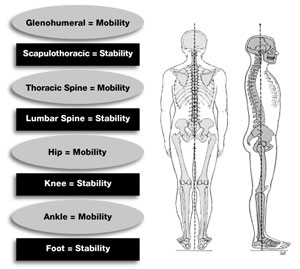
You might be wondering if either stability or mobility is more important. Should stability be developed before mobility, or vice versa? To answer that, let’s take a look at the figure below.

Notice that stability and mobility alternates as we move up the body. This figure indicates that the major joints complement each other in that one should create more stability while the next should include more mobility, and so on as we ascend the body.

If an area of the body that is meant to be more mobile, such as the hips for example, is lacking in mobility, the areas either above or below will be affected. So immobile hips may lead to the lumbar spine or knee having to compensate, which can cause injuries in these more stable joint areas.
The same is true for stability. If the knee lacks stability, the hip and ankle may have to compensate to help protect the area, which can lead to overcompensation, injury or imbalance.
Here are a few exercises that can help improve lower-body stability and mobility. If your client is a beginning exerciser, use these moves as his or her main workout, completing two to three sets of eight to 12 repetitions. For more advanced exercisers, use these moves as part of their warm-ups and complete one to two sets of fewer than 10 reps.

Mobility (hip/ankle)
Kneeling Glute Circles
Begin in a table-top position and bring one knee up off the ground, forward and then around in a circle. Practice drawing a circle both clockwise and counter clockwise with both legs. Do not allow the pelvis and trunk to shift; instead, move only from the hip joint.
Lunge With Elbow to Instep (Three Parts)
Glute Activation Lunges (Crossing Lunge)
Child’s Pose

Stability (foot/knee)
Inverted Flyers
Single-leg Glute Bridges
Lateral Lunges With Sliders
Put a slider under one foot and slowly slide that foot to the side, hinging the hips back while tracking the standing knee over the foot. Pull the sliding leg back up and repeat on the same side.
Mini-band Squat With Hip Abduction
Being in a squat position and place a mini-band around both legs just above the knee. Hold a squat position and externally rotate the hip by squeezing the glutes and moving the knee outward. Come back to the center and repeat on the other side.

 SOURCE : Jacqueline Crockford, MS, CSCS | ACE

Wednesday, 20 May 2015

5 Essential Tips for Improving Running Form

Running. People either love it or loathe it more than anything. There’s no question that running for fitness can be a great way to improve many measures of health, including resting heart rate, blood pressure, body composition and bone density, among others. But how can we help our clients get the most out of their running, and turn “I guess I have to go for a run now” into “Is it time to run yet?!”
Here are a few tips you can offer clients that can help them improve their running economy and decrease their risk of injury so that they can enjoy the many benefits of running.

1. Start slowly
If your client has never been a runner, going out for a first “run” should be more of a brisk walk with a few short jogging intervals. Encourage your clients to try walking for 30 minutes and every five minutes, jog slowly for one minute. Over time, they can work toward jogging more and walking less, 30 to 60 seconds at a time. Once they have succeeded at 30 minutes of consecutive jogging, then they can begin to work on improving speed.

2. Ground contact
While jogging (slower form of running), it is important to be efficient with each foot strike. Ask your clients to think about contacting the ground with their mid-foot, rather than their heels. This way the foot will contact the ground under the hip and propel the body forward (when heel striking, the leg tends to act as a break and will slow the body down and put more stress on the knees).

3. Arm swing
While running, the arms should be swinging from the shoulders, with the elbows bent at about 90 degrees and the hands relaxed. Urge your clients to pretend they are holding two swords, one in each hand. If these swords cross over each other at any time during the arm swing, then the arms are crossing the body, which is a sign that energy is being wasted due to inefficient arm movements.

4. Body lean
The trunk should be tall, as if being pulled up from a string attached to the top of the head. Leading with the chest, the body should lean slightly forward (about 5 degrees) to propel the body in a forward direction. Encourage your clients to think of the trunk as a gas pedal in a car. Pressing it forward (not leaning forward) gently allows for an increase in speed.

5. Cadence
When an individual begins a running program, it may make sense to take long strides so as to cover as much ground as possible with each step. However, this can result in high ground-impact forces, which can lead to injury, early fatigue and inefficient running. Advise your clients to adjust their stride frequency to higher than 150 bpm (180 is ideal)—this would be the equivalent of running to Bruce Springsteen’s “Born to Run” or Kenny Loggins’ “Danger Zone” from Top Gun

Source : Jacqueline Crockford, MS, CSCS | ACE

Tuesday, 19 May 2015

No Excuses Exercises

It's old news that exercising is the single best way to spark up your weight loss efforts. The activity perks up your metabolism, and eats up more calories. In addition, the more you exercise, the better the effect. Exercising builds muscle mass, which is denser and more compact than fat. That means your body has to expend more effort to pump blood through it, and it requires more nutrients to keep it healthy. The end result? Even at rest, your body naturally burns more calories..

It's old news that exercising is the single best way to spark up your weight loss efforts. The activity perks up your metabolism, and eats up more calories. In addition, the more you exercise, the better the effect. Exercising builds muscle mass, which is denser and more compact than fat. That means your body has to expend more effort to pump blood through it, and it requires more nutrients to keep it healthy. The end result? Even at rest, your body naturally burns more calories.

Unfortunately, the prospect of exercising tends to elicit groans from most people. There's all the logistics to work out - the time, equipment, expense and the sheer, utter boringness of it all. Negative thinking about exercise can sabotage all your good intentions. Here's a list of answers for some of the most commonly used excuses not to exercise.

I don't have time to exercise!

Exercise could be one of the most important things you'll do for your health today. MAKE time to exercise. If you're doing traditional workouts - move those weights and mats right out into the family room and make use of your television time. Instead of flopping down in a chair while you watch the news or your favorite show, be active. Run in place, do leg lifts or heft weights. Use time in your car to tighten and tone muscles with isometric tummy tighteners. Walk up the stairs instead of using the elevator. Exercise doesn't have to be a solid hour at the gym. Anything that revs up your motors is great for your body. 
 

I don't have the right equipment at home.

You don't need equipment to exercise. A brisk walk around the block is good for you - and burns over 200 calories. Vacuuming your carpets can burn nearly as much. Flip on your radio or pop on your favorite high-energy tracks and dance. Don't fool yourself into thinking that your 'exercise' has to be a carefully planned workout to work all the right muscles in the right order with the right tension. Exercise means being active. Just do it. 
 
I can't afford a membership to the gym.

If you'd rather exercise at the gym (and have access to their fitness machines, whirlpools, swimming pool and trainers), there are a lot of ways to make it more affordable. Check with your health insurance company to see if they offer incentives. Most of the major health insurance companies, including Blue Cross, cover part or all of fitness club memberships as part of your benefits. If yours doesn't, or if you don't have health insurance, call your local GYM or Crossfit Box . Most offer  memberships to their facilities. 

 
But exercise is such a chore!

Says who? Make getting your daily exercise fun. Play a game. Go dancing. Grab a few friends for a weekend hike . Exercise doesn't have to be routine. Stop thinking of it as a chore and start thinking of it as recreation. You'll be amazed what a difference it makes.

Monday, 4 May 2015

Dump Those Chairs and Sit on a Ball...

This applies to whether you are at  the office or working at home in the basement, these balance ball chairs are god-send  for your aching backs. Here are some of the benefits of using an exercise ball as  your chair.
 

1. Forces proper spine alignment. Because an  exercise ball is not stable, your body needs to try to balance itself on  it. The perfect spinal posture is coincidentally the easiest to balance  with. Thus,  your body will automatically try to align itself into the proper posture. This helps  improve your spinal health, and decrease back pains.


2. Causes you to frequently change positions. An exercise ball causes to you to change your  position often to balance.   Doing simple things such as turning to face the phone, will result in your  body assuming anew position. This helps reduce damage  caused by prolonged sitting  in the same position.

3. Quick workouts are always there. A great thing  about using this alternative to a chair, is that you can do  stretches or  mini-workouts whenever you want, without getting up. If you are ever stuck waiting for a minute or two,  you can  make productive use of that time with a quick workout or stretch. Since its convenient, you will  find yourself doing it more frequently, which will work wonders for your health.

4. Your sense of balance will be improved. This is expected. This is because you  continuously try not to fall, in effect, improving your balance and strengthening your  muscles. The result? An overall better balance, that can be  observed out of the  office.

5. Get that 6-pack abs you have always wanted. As you balance yourself while you are sitting on the ball, your abdominal  muscles are the ones working the hardest to maintain your balance. Thus, you are  essentially getting a low-key abdominal workout. This  might not sound like a big deal but when you count the hours you spend sitting at your  desk or in front of the computer, the numbers start to count. These hours pile up and before you  know it, you start developing that 6-pack abs.
6. It's great for the circulation. Sitting on  an exercise ball promotes good blood flow throughout your body for the whole day. A  desk chair on the other hand, reduces circulation to some parts of the body after  prolonged use.

7. You start feeling that energy boost. It's a fact that if you stay in just one  position for prolonged periods, it's guaranteed you will feel more exhausted by the  end of the day, as compared to constantly moving around and feeling more energetic as  a result. Using an exercise ball as a chair is a good way to ensure that  you will be energized by the end of your working day.

8. Burn up hundreds of  calories per day. The more you move, the more calories you  burn. Burning 350 calories per day allows you to lose one pound of  fat every two weeks. Even if you do not burn 350 a day, the least it will do is to help you keep  in shape.

9. Really cheap. These exercise balls, or balance ball chairs  will cost you from $10 for the ball to $80 for the ball and the chair that holds it.  Much cheaper than  buying an ergonomic chair, which can range anywhere from $100 to  $400 and up.

10. It's really a lot of fun! Who doesn’t like the idea of bouncing  around on an exercise ball all day. Exercise  balls are an  exciting alternative to chairs, and may just give that spark of fun to  your day.

Source Cyrill Exxonell

Saturday, 2 May 2015

Don't Live At The Gym!

It's not a good idea to stay too long in the gym says a consortium of renowned workout experts. 

In fact, you're less likely to return to the gym if you stay for more than one hour.
Additionally, you can get burned out if you're not pumped on carbs throughout the day, something that most bodybuilders avoid in the first place. Routine is more important than maxing out to the point of passing out.

Deleterious side effects can occur with a maximum workout schedule. However, it is important to differentiate between excess workout and just getting everything going at full speed. In women, spending too much time at the gym or exercising to the point of exhaustion increases the chances of infertility three times over. It is no wonder that successful female athletes have considerable trouble starting a family. Spending more than 45 minutes to an hour at the gym in strenuous exercise can signal the body to produce excess cortisone which can tell the body to store fat. 
 
 Furthermore, doing cardio exercise for more than 30 minutes has no use because the maximum effect of a cardio workout is achieved in the first 30 minute timespan. Interestingly, people see the need to use a more intuitive approach and exercise more than 30 minutes, but the scientific approach would have them stop at 30 minutes. The general issue of attraction can also come up because most women that men like don't even have a gym membership. Trying to get rid of every single pound can make a woman look artificial and unwomanly.

Women tend to like men that are toned but not overly built. It is your choice how you want to appear to others, and you can sculpt your body however you choose, but it is wiser to go for more a natural look and that means spending a moderate amount of time in the gym.

Also, if you're doing a well-planned workout schedule, then you shouldn't need to spend an excess of time in the gym. No one should work out for more than 1 hour, and 45 minutes is preferable. Try to get a concise schedule going ahead of time so that you don't waste time trying to figure out what to do when you're in the gym.

Finally, the Body for Life program, the bestselling book of proven results for flabby folks suggests strenuous bursts of 20 to 30 minutes and intense weight training for fast-track results. If your goal is to change your physique fast, then it just doesn't make sense to spend an excess amount of time in the gym. You are either going to slow and need to speed it up or you exercising too much for your body to handle.

You should never exercise past the wall of pain and should stop as soon as your body's natural supply of endorphins are released. Exercising past the endorphin release can deplete your body of electrolytes, glycogen, and protein to rebuild your body in the long term.


Source Luka Bozic/ Workout Plans

Friday, 17 April 2015

Developing A Workout Routine

If you are focusing on improving your health by losing weight and getting fit, one healthy habit you should not overlook (aside from improving your nutrition) is developing a workout routine.
Naturally this can be a bit awkward especially when starting out for the first couple months. It takes a considerable amount of effort to remove yourself from the couch or bed and get that body moving again. For many, it will be a slow process as your legs, arms, and body get used to exercising.
However once you make it past that initial stage and are able to exercise for 30 minutes to an hour, you've crossed the first and most difficult hurdle. Now the fun can really begin!
The Importance of Developing A Workout Routine

 
  The next item of business is figuring out exactly which activities you want to continue doing on a weekly basis which is why developing a workout routine can really help.
One important point to remember in regards to exercise is that you don't want feelings of boredom to creep in. These thoughts can fester leading you to slowly give up this healthy habit and that's the last thing you want to happen.

This can be compared to the types of foods you eat. It would become extremely boring to eat the same meal each and every day. Who would want to eat in this manner unless you absolutely had no other option?
You should consider exercise in the same way. Doing the same workout day after day may be fine for a couple of months but eventually you may get bored with this routine. Granted this is not true for everyone, and if you are able to run the same course 4-5 times per week month after month, then by all means stick with that.

However for those of you who like change and want to have a diversified portfolio of workouts, then creating a workout routine can really help keep you motivated and focused.
Naturally before you can create a workout routine, you need to not only have some options, but also the abilities to do the activities safely and properly. That's not to say you can't try out something new like a sport or activity you've always wanted to learn. If that's the case just be sure you get someone who is qualified to teach you how to do the activity properly.

Personally, my workout routine has grown immensely over the past two years. When I first started exercising, the only activity I did was walking - four times a week for about an hour at a time.
Sure that doesn't sound all too exciting, but my 300 pound self at the time could only handle that amount of activity safely.

After a couple of months, walking turned into hiking, then a couple of months later into jogging. Once I was able to run for an hour without feeling completely drained afterwards, I knew I had developed a newfound endurance and energy level I had not enjoyed in over a decade.
Over the past year I have experimented with a number of different activities. I started playing tennis again, attending a local Bootcamp class, biking with my dog, snowboarding regularly during the winter, a gym membership to my local LA Fitness, and even did the Insanity at-home workout program to see what that was like.
 
  These days I have a consistent workout routine that I usually stick with week after week. Monday and Wednesday is Bootcamp class, Tuesday and Thursday is tennis, and I usually either run or bike my dog on Friday and on one of the weekend days.

Maintaining this diverse workout routine keeps me motivated to stick with my plan every week. Best yet, I never go more than two days in a row without some type of exercise.
If you have had issues sticking with a consistent fitness routine, developing a workout routine so you can regularly exercise which will not only get you into better shape but you'll lose weight too! The best of both worlds.

Source Gregory L. Gomez