Showing posts with label want more energy. Show all posts

Sunday, 13 September 2015

Too tired to exercise ?

Too tired to exercise: Have your iron levels checked

If you already exercise and find you’re approaching your daily workout with excessive fatigue and lack of motivation, see your doctor and have your iron level checked. Your doctor can do a blood test called a ferreting level which measures your body’s stores of iron. Aerobic exercise can cause slow depletion of iron levels with iron being lost through sweating and through leakage of small amounts into the gut with sustained movements. Plus, it’s not uncommon for women of child bearing age to be iron deficient. If you’re iron deficient, iron supplementation may make all the difference in your energy levels and your attitude towards exercise.
   
Too tired to exercise: Exercise when you awaken in the morning

If you feel tired and less motivated to exercise in the evening, try setting your alarm thirty minutes early and get your exercise session out of the way before the day starts. An early morning exercise session can help to energize and motivate you for the rest of the day. Plus, you can look forward to an evening of relaxation knowing you’ve accomplished your goal. This can be a simple solution to the problem of being too tired to work out.

 Too tired to exercise: Do it anyway

Sometimes the best cure for fatigue is a vigorous exercise session. Have you ever noticed how you can walk into the health club exhausted but after thirty minutes of motion you feel energized and invigorated? There’s nothing like exercise to get your blood flowing and zap fatigue. If it’s difficult for you to get motivated to make that trip to the club, promise yourself a small reward after you finish your session if you follow through. Just make sure it’s not a jelly donut!

Too tired to exercise: Lighten up your workout

On nights that you’re too tired to work out, follow a lighter, less rigorous routine. To motivate yourself to take the first step, tell yourself you’ll only exercise for ten minutes. After ten minutes have elapsed chances are you’ll feel so invigorated that you’ll want to keep going.

Too tired to exercise: Change your exercise format

If you feel fatigued with a lack of motivation towards exercise on a particular evening, change your workout entirely and substitute something fun. Instead of walking thirty minutes on the treadmill at the club, take your dog for a brisk walk or do thirty minutes of stretches while you watch your favorite T.V. show. You can get back on schedule the next time you exercise and the variety will be good for you both physically and mentally.

Give these tips a try and soon you’ll no longer need the old excuse of being too tired to work out. Plus, you’ll look and feel like a new person

Damian@FitnHealthy

Saturday, 12 September 2015

7 Ways to Boost Your Energy

Everyone would like to feel more energetic during the day.  You naturally go through periods of higher activity which contrasts with times of relaxation. 


The problem occurs when more energy and concentration is required than we can give. Or when we try to sleep and can’t. Follow these invaluable tips to a new you!

1) Stay on a regular sleep schedule.  You can’t stay up late during the week-end and suddenly on Monday morning wake up refreshed.  If you do enjoy later nights on Friday and Saturday vow to get to bed early on Sunday to wake up rested.

2) Avoid the sugar and caffeine roller coaster.  Eat some protein and foods with a bit of fat in the morning.  The brain needs protein and the body does not store it.  You don’t have to eat very much- a glass of low fat milk, a piece of cheese, or a  handful of nuts will get you going instead of pure carbohydrates like a plain bagel. 

3) Take a 5-10 minute power nap around lunch.  Even if you just close your eyes and let your mind drift you will be refreshed for the afternoon.  This is also effective anytime you feel yourself not concentrating, reading the same material over and over.  Give in to the urge and completely relax for a few moments.

4) Drink more water and liquids.  I know, everyone says to drink more fluids.  But most Americans are in a constant state of dehydration from filling up on coffee, tea, and sodas with caffeine.  This is very stressful to the kidneys and can cause irritation to the bladder.  Keep a sports bottle filled with your favorite flavored water or just plain and keep it with you at all times.  Set a goal- empty by lunch, refill, empty again by the time work is over. Carry plenty of water in the car too for you and your family.

5) Exercise regularly.  This is easier said than done with a busy schedule.  A poor conditioning level causes you to be short-of-breath and your heart to race when just doing simple things like climbing a flight of steps or doing household chores.  Park farther away when shopping and walk Dust off that exercise machine or get an exercise tape to play when weather is bad. Set an example for the rest of your family and maybe they will join in too!

 
6) A joke a day keeps the doctor away.  Seriously, laughter has many beneficial effects on the body.  The brain chemicals for experiencing pleasure, happiness, and peace increase with good, hearty  laughs.  Live alone?  Get a funny movie or watch a light-hearted comedy on tv.  Nothing sarcastic or put-down, however.

7) Avoid confrontations and situations with negative people.  You know who they are.  They are not going to change but they will bring you and your mood down.  The complainers, gossipers, and generally unhappy souls we all have to deal with on a day-to-day basis drain our energy if we allow them. Be polite but avoid arguing or getting hooked into listening to their constant problems.

8) Take regular, daily supplements of the highest quality.  Our food and diets simply do not meet the amounts needed for maximum health.  There is a difference between avoiding nutritional deficiencies and optimum performance.

Damian@FitnHealthy

Saturday, 22 August 2015

10 Steps on Improving Your Metabolism

Get 10 tips on how you can increase your metabolism, naturally. You'll be surprised at how little things can affect your metabolism in a big way.

Are you sluggish and low on energy?

Do you feel like you work and work toward your weight loss goal and never seem to make any dramatic improvement?

You could be suffering from a slow metabolism. Even though you may have a slow metabolism, it does not have to destroy your weight loss efforts. You can dramatically improve your metabolism, and boost your energy levels without taking supplements.

Your metabolism simply refers to the conversion of food to usable energy by the body. It is the biological process, by which energy is extracted from food, and the net result is how fast or slowly the body burns those calories.

A few steps you can take to improve your metabolism naturally are:

Drink Water – Water is great to drink and you should be drinking a minimum of 8 to 10, glasses daily, of course, more is better. It will help increase your metabolism and flush out sodium, toxins, and fat. Drinking water before meals will fill your stomach so you feel full and prevent overeating. Avoid excess colas, coffee, teas, and sugary juices. Caffeine will dehydrate you, and the sugar will do more damage than good in the long-run.
  
 Eat Every Three Hours – Eat a small balanced meal every three hours, including snacks. Meals and snacks should be balanced, meaning they should contain a complete protein, carbohydrates, as well as natural fat. Failure to eat consistently can lead to a slower metabolism and fat storage. Also, skipping meals slows down your metabolism. To ignite fat loss you need to be consuming the right foods in a balanced manner throughout the day.

Don't Skip Breakfast – Breakfast is the most important meal of the day because it gets your metabolism running in high gear. You wouldn't drive your car to work on an empty tank, and you shouldn't start your day without adequate nourishment. Your first meal sets your metabolism for the day and keeps it going, as long as you eat every three hours. If you get up early and eat a late breakfast, you miss out on several hours of burning calories.

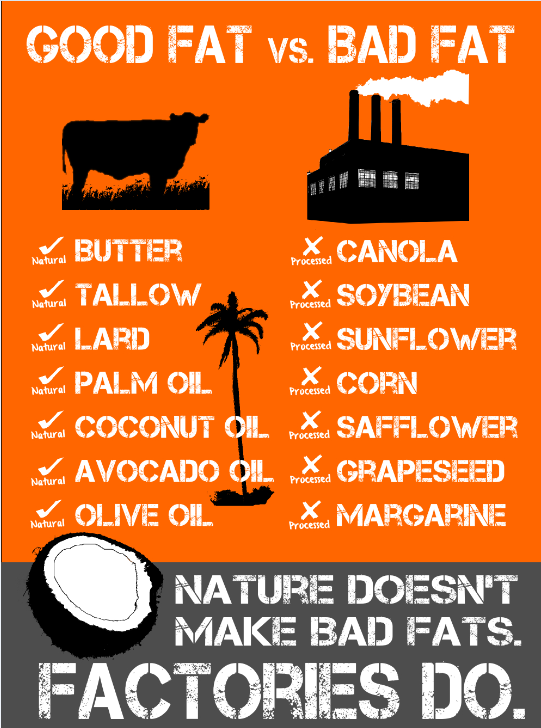
Don't Fear Fat – Fat has developed a bad reputation. Many people think fat makes you fat. This is false. The type of fat and how much fat you eat impacts your body fat composition. Fat is needed by the body. Those who follow a very low-fat diet have a harder time ridding their body of fat. Choose natural healthy fats such as olive oil, avocados, various nuts, flax, and natural peanut butter to receive your necessary fats.

Omit Trans Fat – Trans fat is the bad fat, the cause of weight gain, low energy, depression, cancer, and heart disease. You will never get the body you desire by eating "healthy" fast food, frozen dinners, and other processed choices. If it's man-made, it's not the best choice, and will halt fat loss endeavors. Eat the foods Mother Nature has provided to meet your fat loss goals.

Be Active Daily – Stay active at least six days a week. Take the stairs when possible or park further out to get that little bit of extra movement to keep the heart and lungs working optimally. The more movement you get daily, the better you will feel overall.

Do Cardiovascular Exercise – Cardio exercise is necessary for heart and lung health. It also burns calories. Doing cardio first thing in the morning on an empty stomach can tap into fat stores, and keep your body burning calories at a high rate for about an hour after cardio is finished. If you fail to eat adequately daily, first morning cardio on an empty stomach can work against you. Doing morning cardio on very low calorie diet can burn muscle. Another good time to incorporate cardio is in the evening after your last meal. This allows you to burn calories so you are not sleeping on them. You do not have to implement a morning and evening session, choose one or the other or cycle between the two to prevent staleness and boredom.

HIIT It – Blend some High Intensity Interval Training (HIIT) into your cardiovascular program from time to time to give your body and metabolism a good shock. The body is programmed for adaptation. Therefore, doing the same cardio format day in and day out can become stale really fast. Take one or two days a week and implement some HIIT to give the body an added shock.
 
HIIT is basically alternating low intensity and moderate to high intensity cardio training.  For example, a 20 minute HIIT session would look similar to this:

Minute 1 and 2 – Low Intensity (Walking) Minute 3 and 4 – High Intensity (Light jogging or running) Minute 5 and 6 – Low Intensity Minute 7 and 8 – High Intensity and so on…
 
Weight Train – Resistance training builds muscle, which is metabolically active tissue. The more muscle you acquire, the faster your metabolism will be.  Adding more lean muscle tissue to your body will put curves in the right places and allow you to eat more calories a day.

Listen to Your Body – Killing yourself with workouts is just as dangerous as not working out at all. Listen to your body and get proper rest. Don't train if you are ill, still sore from the previous workout, or just simply too tired. Training in such a state can cause more problems than it solves.

If any of the above fails to prove results in 4 to 6 weeks, there could be an underlying problem, such as a food allergy, sluggish thyroid, hormonal imbalance, toxins, parasites, etc. If so, I recommend searching for a natural healer in your area to determine the cause. and work from there. For the most part, proper diet, detoxifying, and herbs can correct any ailments.

Damian@FitnHealthy

Friday, 26 June 2015

How To Be More Successful By Being Physically Fit

Could you imagine if your energy levels were endless and you could turn water into wine?
Okay, maybe not turn water into wine but imagine if you felt great, all the time. I know. It seems like a dream, but really, it's not.

Having the energy and superhuman power to be a business professional is easier than it sounds.
Lets be honest.
 
Most business professionals are slouched over a desk getting 5 colds a year with high blood pressure. Sadly, I've been there.

This is a pretty crappy place to be but you can overcome it and kick start your health to be a better business professional.

Here are 5 benefits of being physically fit and how they can make you more successful:

1) Know who you are by being confident
When you feel good, you look good and when you look good you're confident. Being physically fit encourages confidence by giving you the tools to stand up straight, look people in the eye and speak with conviction. 
This sends signals not only to yourself but also to others that you're proud and confident in who you are.

People do business with confindent people. They know their products and / or services, they know themselves and they definitely know their clients. 

2) Boost in brain power = boost in revenue
We've all heard that exercise is heart healthy but it also has significant benefits for your noggen (yes, that's your head).
If your brain is working better the more ideas you'll generate and the more rational you'll become. This is associated by a direct link to an increase in revenue. 

3) Trash the feeling of stress by learning to cope with it
Being physically fit gives you the added benefit of receiving a constant flow of endorphins. These little brain neurotransmitters are your "feel-good" source and can be contributed to stress reduction.
The less stressed you are the more coherent and rational you'll be. Who wants to work for or deal with an irate maniac? Being able to cope with stress is crucial to becoming more successful.
4) If you're more efficient, more opportunities will open
One of the best benefits of being physically fit for business professionals is its ability to make you more productive. It boosts your energy, makes you alert and increases your confidence. All 3 of these produce a spike in your productivity.

We can conclude that the more productive you are the more gets done, right? Being more productive opens the door to added possibilities.
5) The more fuel you have, the more effort you can give the world
We can all feel like a drag during the day, it's normal. But another benefit of being physically fit is the spike in energy you'll experience. By delivering more oxygen and nutrients to your organs you'll feel like a new person. Okay, maybe not a new "person" but better than you did before.
The more energy you have, the more you can get done. The more you get done, the better off your business will be.

Be warned that there's one drawback to being fit. The I-need-to-be-more-fit-and-cardio-is -the-only-way-to-get-there mentality. Never, ever, ever get stuck in the mindset that you must do cardio to lose weight. If you enjoy running half marathons, triathlons, and bicycling for 50 miles, thats great. But never think you have to if you don't enjoy it. Remember follow your passions.


Damian@FitnHealthy

Wednesday, 3 June 2015

Do You Fuel Yourself Adequately?


Thousands of runners recently attended The North Face 100 and 50km races in the Blue Mountains. Sometimes it is hard not to be amongst the racing. However, sitting on the other side of the fence whilst the action gallops past gives a wholesome insight into the nutrition & hydration strategies of athletes.

Three Classifications of AthletesIn the race, we observed three types of athletes:

1. The Blank Stare RunnerThe scenery of the Blue Mountains is stunning. Jagged tracks clutch to the side of overhanging cliffs. Damp forests hold tumbling waterfalls. However, the Blank Stare Runner will see little of this handsomeness. They also appear not to hear much until they stumble across your wildly clapping hands and goofy grin. They pull a tight smile and march onwards. From close up, they appear to have the ‘lights off’ - the I’m-on-a-mission facade with eyes glazed-over. From afar, there is an element of a plod, a trip, a stumble. One guesses behind it all is a negative mindset.

2. The Weary but Starry Eyed RunnerFifty or one-hundred kilometers is never going to feel easy. There will always be an association with pain and a little suffering. But no matter how physically fatigued, the Weary but Starry Eyed Runner can maintain a smile. Their eyes sparkle with the challenge and even from a distance they easily acknowledge your excited cheers. They mutter a thanks, give a gentle high-five and then scuffle off around the corner.

3. The Prancer and Dancer RunnerThis runner has the ability to make you forget about how much pain everyone else seems to be in. You find yourself pulling out your phone and googling entry dates for the next race. Before you see them, they have seen you. Their iPhone is out and they are happily snapping pictures to capture the memories. They are dancing across the rocks and prancing past the course marshals giving praise and a hearty, ‘thank you’. Their eyes are alight with anticipation. They might be fatigued but they are holding those negative thoughts at bay.

Which type of athlete are you?You may fall somewhere in the middle and may shift from one to another at different points of a race. However, I am sure that looking back at race photos or your race debrief will help you identify with some of the above analogies?

Athlete Classifications: Symptomatic of Your Nutrition & Hydration
  • Race fueling is about fueling your brain not your body
Even for the slimmest athletes, the body has enough adipose tissue (fatty acids) stored to carry you a very, very long way. In endurance activities where the intensity is lower, a reasonably trained athlete should adequately utilize stored fatty acids for locomotive energy. However, there is one organ in the body that cannot use fatty acids for energy, and that is the brain.

The brain’s functional tissues is surrounded by the blood brain barrier. This is a physical block to protect the organ from harmful intruders and substances. When fatty acid is transported in the body, it is attached to a protein called albumin. This creates a molecule too large to pass through the barriers of the brain. Thus, the brain’s fuel source is glucose, the simplest molecular form of carbohydrate.

In races, we require the central nervous system and brain input to keep every other tissue of our body functioning. It drives our breathing, our heart, our working limb muscles. With an inadequate supply of glucose to the brain, this system starts to slow and will eventually grind to a complete halt.
  • Feed your brain glucose
If the brain holds everything together, then we must ensure that it receives an adequate supply of energy in the form of glucose. It is true that we can utilize stored muscle and liver glycogen for conversion into glucose and energy, but these stores are dramatically limited. Therefore, a fueling strategy for endurance race day must included simple forms of glucose, the best of which is a maltodextrin (pure glucose) gel.
  • Glucose absorption requires sodium
The absorption of glucose across cellular membranes requires a transporter protein that sits lodged in the cellular membranes. The functioning of this glucose transporter is often spared as the digestive tract starts to slow (the functioning of the digestive system will be overridden by the blood flow demands of the working muscles). That is, the body will prioritize the functioning of this glucose transporter over the digestion of fats, proteins and more complex carbohydrates, such as fructose.
  • Sweating causes a loss of sodium
Sweating causes large losses of sodium, especially over prolonged periods of time such as during endurance races. The amount of sodium varies from person to person and day-to-day, but can be in the vicinity of 1500-2000mg per 1L of sweat. No other electrolyte loss comes anywhere near the losses of sodium. This is because most other electrolytes, such as magnesium, are found within body cells. That is, sodium is an extracellular molecule floating freely in the bloodstream so it incurs the largest electrolyte losses during exercise.
  • Failing to replace sodium disrupts glucose absorption
If you fail to replace the sodium you are loosing, chances are you will not be absorbing the glucose you are trying to ingest. Without sodium present, the functioning of the transporter proteins slow. Therefore, the cellular membranes of the digestive tract, working muscles and mitochondria (power houses where energy is produced) become impermeable to glucose.
  • Low sodium and glucose intake affect the brain and central nervous system
If you are trying to rehydrate during races on water alone, you will likely be disrupting the body’s ability to absorb nutrition. Further more, if you are using a sports drink or electrolyte with inadequate sodium to meet your losses, you may also be disrupting your nutrition intake. Begin to become aware of your sweat losses both in volume and in the salt crusting that can appear on your clothes if you are a heavier sodium sweater. This can be a great guide to judging your losses.

You Athlete Classification Explained
  • The Blank Stare Runner
Your central nervous system is seriously affected. In essence, you have become similar to a diabetic with low blood glucose levels. Whatever you are drinking and eating is inadequate to supply sodium and glucose to the transporter pumps in your cellular membranes and thus, energy to your brain. Try to learn to listen to your central nervous system. Negative thought processes, clumsy feet, feeling cold, dizziness, vertigo, numb feet or hands, or even nausea can all be symptomatic of low glucose levels in the brain. If you observe someone like this or their eyes have a glazed-over appearance, feed them instant glucose along with a higher sodium concentration electrolyte. If they are nauseous, you can rinse their mouth with glucose as the oral mucosa has a direct glucose absorption pathway to the brain. If this helps, you can then start to slowly feed them glucose via gels, chemist jelly beans and glucose tablets.
  • The Weary but Starry Eyed Runner
Your nutrition and training strategies are strong but likely the quantities need adjusting. Sparkling eyes and alertness suggest that the central nervous system is coping. The physical weariness can be a symptom of further training required, or it may also be that you need to increase the quantity of glucose and electrolyte replacement. You should also be paying close attention to changes in your central nervous system as the race progresses. If negative thoughts, anxiety, clumsiness or any of the other symptoms above settle in, make sure you increase your glucose and sodium intake. This is especially true if you start to experience cramping.
  • The Prancer and Dancer Runner
You are nailing it! To run like this, your central nervous system must be functioning fully and you are alert enough to absorb your surroundings. Further to this, it appears that your training has prepared you optimally for the challenge you have embarked upon. However, keep an eye on climatic changes throughout the race as increases in temperature, humidity or wind will alter your evaporative sweat losses. Monitor your thoughts and alertness, with any small changes requiring a top-up of energy.

Source : FindyourFeet.com


Monday, 4 May 2015

Dump Those Chairs and Sit on a Ball...

This applies to whether you are at  the office or working at home in the basement, these balance ball chairs are god-send  for your aching backs. Here are some of the benefits of using an exercise ball as  your chair.
 

1. Forces proper spine alignment. Because an  exercise ball is not stable, your body needs to try to balance itself on  it. The perfect spinal posture is coincidentally the easiest to balance  with. Thus,  your body will automatically try to align itself into the proper posture. This helps  improve your spinal health, and decrease back pains.


2. Causes you to frequently change positions. An exercise ball causes to you to change your  position often to balance.   Doing simple things such as turning to face the phone, will result in your  body assuming anew position. This helps reduce damage  caused by prolonged sitting  in the same position.

3. Quick workouts are always there. A great thing  about using this alternative to a chair, is that you can do  stretches or  mini-workouts whenever you want, without getting up. If you are ever stuck waiting for a minute or two,  you can  make productive use of that time with a quick workout or stretch. Since its convenient, you will  find yourself doing it more frequently, which will work wonders for your health.

4. Your sense of balance will be improved. This is expected. This is because you  continuously try not to fall, in effect, improving your balance and strengthening your  muscles. The result? An overall better balance, that can be  observed out of the  office.

5. Get that 6-pack abs you have always wanted. As you balance yourself while you are sitting on the ball, your abdominal  muscles are the ones working the hardest to maintain your balance. Thus, you are  essentially getting a low-key abdominal workout. This  might not sound like a big deal but when you count the hours you spend sitting at your  desk or in front of the computer, the numbers start to count. These hours pile up and before you  know it, you start developing that 6-pack abs.
6. It's great for the circulation. Sitting on  an exercise ball promotes good blood flow throughout your body for the whole day. A  desk chair on the other hand, reduces circulation to some parts of the body after  prolonged use.

7. You start feeling that energy boost. It's a fact that if you stay in just one  position for prolonged periods, it's guaranteed you will feel more exhausted by the  end of the day, as compared to constantly moving around and feeling more energetic as  a result. Using an exercise ball as a chair is a good way to ensure that  you will be energized by the end of your working day.

8. Burn up hundreds of  calories per day. The more you move, the more calories you  burn. Burning 350 calories per day allows you to lose one pound of  fat every two weeks. Even if you do not burn 350 a day, the least it will do is to help you keep  in shape.

9. Really cheap. These exercise balls, or balance ball chairs  will cost you from $10 for the ball to $80 for the ball and the chair that holds it.  Much cheaper than  buying an ergonomic chair, which can range anywhere from $100 to  $400 and up.

10. It's really a lot of fun! Who doesn’t like the idea of bouncing  around on an exercise ball all day. Exercise  balls are an  exciting alternative to chairs, and may just give that spark of fun to  your day.

Source Cyrill Exxonell

Saturday, 25 April 2015

It’s long been a question among exercise professionals – should you exercise before breakfast ?

It’s long been a question among exercise professionals – should you exercise before breakfast, or is it better to get some calories in before you work out? Recent research suggests that exercise before breakfast can have some benefits – especially for men.


Researchers in New Zealand, led by Associate Professor Dr Steve Stannard, worked with two groups of novices for a month. The subjects pedalled up to 75 minutes a day, with some of them eating a high-carbohydrate breakfast first, while others training with their stomachs empty. Researchers then conducted blood tests to assess the effects of the training and the eating protocols on their fitness and weight loss. 

 So was exercise before breakfast beneficial? What the researchers found was that those subjects who trained without having breakfast first had a greater ability to store glycogen – an advantage for athletes. They also had a greater ability to burn fat. Researchers concluded that because the subjects who trained without eating breakfast were stressing their bodies a bit more during training, they showed a faster rate of adaptation, and consequently improved performance levels.

Interesting as this research is, it does need to be put into the context of other findings. For while it appears that training in a glycogen-depleted state can have benefits for endurance athletes, it does not help athletes who are strength training.

To maximize the benefits of strength training it is essential that your body has sufficient fuel to work out effectively – working out without sufficient calories in your body will comprise your workout, and will therefore actually reduce its effectiveness.

Similarly, for competitive endurance athletes who need to train hard, the positive adaptations that can occur from working out on an empty stomach are likely to be offset by the diminished performance during the training session. Therefore it is recommended that athletes in training use this method judiciously, perhaps once a week.

Finally, as Dr Stannard noted, these findings only apply to men – women should eat breakfast before a workout, as they tend to get more from exercise if they take a moderate amount of carbohydrates before they start working out.

The bottom line? For men whose main aim is to lose weight, performing their cardio workouts on an empty stomach can have positive adaptations and increase weight loss. However, for all others, this technique should be used with caution.

Source Netfit 

Wednesday, 15 April 2015

The Food Lies We Tell Ourselves

Straight from our Community registered dietitian nutritionists, we get a firsthand look at some of the lies clients tell themselves when it comes to rationalizing what they eat. Unfortunately, these little untruths can quickly sabotage a healthy diet. Could you also unknowingly be ruining your healthy eating plan by telling yourself these little white lies? Read on to learn the truth.
 
Food Lie #1: I need to snack frequently to keep my metabolism up.
You may have heard that you shouldn’t wait too long between meals to prevent your body from going into “starvation mode”—a time when your body conserves calories to prevent depleting its energy stores. Think back to the caveman days when humans wouldn’t eat for days; their bodies would become efficient at holding on to what they ate so they could survive until the next time they were able to have a successful hunt. The theory is that this may be happening on a smaller scale when you wait too long to eat.
So you try to prevent this scenario and overcompensate by making sure you eat something every few hours. The problem is, if you’re attempting to eat several mini-meals throughout the day, the calories add up. Even a couple of energy bars throughout the day can add an extra 500 calories, contributing to a body-fat gain of 1 pound per week! You may think that bar is keeping your metabolism revved up—but even if it is, the additional caloric burn won’t contribute 500 calories (or anything even close to that!) each day.
Solution: If there is more than four to five hours between your lunch and dinner, allow yourself one small fiber- and protein-filled, mid-afternoon snack—but no more. A hardboiled egg and a piece of fruit, for example, would be a great choice.

Food Lie #2: I can eat whatever I want because I just burned off a lot of calories during my workout.
Although the treadmill or the elliptical (or your spin teacher) may all tell you that you burned 800 calories, this is usually not true. Unless you weigh 200 pounds and run for an hour, you won’t burn close to that many calories. If you are eating without much restraint after a workout, this is likely having a negative effect on your waistline. For many people, not only do they rationalize that they can eat a lot of food after a workout, they also feel hungrier after working out and tell themselves it’s because they burned a lot of calories. Unfortunately, appetite after a workout tends to increase to a much greater degree than the amount of calories you actually burned.
Solution: Eat to fuel your workout and refuel, not to replace the calories you think you burned. If you notice that your hunger increases a lot after you exercise be sure to drink extra water and fill up on veggies to help to satisfy your appetite without consuming too many calories.

Food Lie #3: It was just a few bites.
Just because you didn’t order it and it wasn’t on your plate, doesn’t mean those bites of your significant other’s burger, fries or dessert won’t add up. Ditto for the small piece of cake in the break room. A few daily extra bites may seem forgettable, but they can easily set you back 100 calories (or more!) each day. Although that may not seem like much, over the year that will set you back ten pounds!
Solution: If you find yourself having those little bites here and there, cut them out completely for two weeks and track your weight. If you are like our clients, you’ll notice a difference on the scale.

Food Lie #4: The bag (carton, box, or whatever you just finished off) was almost empty.
Plow through an already opened bag of chips, box of cookies or carton of ice cream and it’s easy to believe there wasn’t much in there. If you don’t portion food out on a plate first so that you can see how much food you truly are eating, it’s easy to tell yourself you didn’t eat much.
Solution: Easy! Simply portion your food on a plate and eat from that—you won’t be able to trick yourself into thinking you ate less than you did!

Food Lie #5. You need that electrolyte drink.
Sure, that brightly colored, sweetened drink filled with electrolytes might seem necessary, but unless you’re exercising intensely for more than an hour (and most people aren’t) you really don’t need it. It just adds extra calories.
Solution: Stick to water, seltzer or another calorie-free fluid, unless you are exercising for more than an hour.

Food Lie #6. You ate it because it gives you extra nutrients.
Every food seems to be fortified these days. Even if it has extra calcium, additional B vitamins or added fiber, it’s still not reason enough to eat it. After all, cookies with added calcium are still cookies. Don’t justify eating the chips because the label claims they have added fiber.
Solution: Get your nutrients from your food. If you want a small indulgence, choose it because it’s an indulgence and not because it’s providing you with nutrients.

 Source : Tammy Lakatos Shames and Elysse (“Lyssie”) Lakatos

Wednesday, 8 April 2015

Learn how you can Jump Higher

Learning how to jump higher will help you in more than one way. There are lots of exercises that will help you increase your vertical leap, all you need to do it find a workout that suits your needs. You should realize that no two people are build the same way, find something that works for you.

If you are a person who is into sports, jumping higher is a huge asset and knowing how to increase your jump can be a valuable tool to you. It doesn't matter if you are a basketball, baseball, or football player, increasing your vertical leap will help you improve your game by leaps and bounds. If you take the time to learn how to jump higher, you will not only increase your vertical jump, but it will help you improve your overall agility. This will make a huge difference in your performance as an athlete.

One of the ways to help you start to jump higher is by including power training and strength training as well. Strength training will build the muscles in your legs and calves to increase your vertical jump. Power training will teach your body how to be explosive which can be used in every sport. 
   If you have a jump rope, good. If you don't, go out and get one today because jump roping about twenty to thirty minutes per day is a great way to increase your vertical jump. You can also increase your leg strength by running and jumping up stairs or bleachers. When jumping, slowly increase the number of steps you are jumping so you are constantly increasing your jump. You could also buy jump boxes from a sports store and jump on and off of them. When you are able increase the height of the boxes, you will know that you are making great improvement on your journey to jump higher.
In just a few weeks, these exercises will help you improve your fitness, agility, flexibility, and stamina. Finding ways to jump higher is essential for most athletes. Basketball players, volleyball players, high jumpers, and long jumpers can all benefit from jumping higher. If you can increase your vertical jump, you will excel in these types of sports.

To be completely honest, you don't need to be a sports person to learn to jump higher. If you are just an average person, you can include exercises in your daily workout to increase your vertical leap. If you have always wanted to be fit and more agile, you will find that jumping higher will get you there in no time at all. Power training activities like jump roping, box jumping, and running stairs will help you lean to jump higher. 


Knowing how to jump higher is a skill that will help you in many ways throughout your life, in sports, and outside of sports. It will help boost your confidence and is a great boost in morale. Take the steps that you need to in order to start jumping higher. You will not regret it.

Source :Peter Velaskes / Go

Thursday, 26 March 2015

Five Reasons Why Energy Drinks Are the Worst Focus and Energy Supplements

The energy drink business is booming. This extremely lucrative industry features catchy names, colorful cans, extreme advertisements and a variety of bold flavors. Quickly replacing coffee as the go-to drink of choice for teenagers, college students and young adults, these drinks promise hours of improved focus and enhanced energy. However, they provide those effects by using extremely high doses of caffeine and filling them with sugar - both of which can have very negative ramifications to your health. Plus, caffeine and sugar have both been proven to work for a limited period of time, before wearing off and causing crashes and fatigue, which is contrary to the reason you consumed the drink in the first place! Here are five reasons why energy drinks are the worst focus and energy supplement:

Too Much Caffeine
According to research done by the Mayo Clinic, the average human adult should only ingest a maximum of 300-400 milligrams of caffeine per day. Cola beverages have about 40 mg of caffeine per can, and your typical cup of coffee has about 90-150 mg of caffeine. Your average energy drink, however, has over 150 mg of caffeine PER CAN, with some having as much as 240 milligrams of caffeine in a 16 ounce can! Consuming two cans of energy drinks is roughly the equivalent of drinking 5-7 cups of coffee, which exceeds the recommended daily limit of 400 mg of caffeine.

So Sugary
Another reason why energy drinks are bad for focus and energy is because of all the added sugar included to hide the bitter taste of the caffeine. The World Health Organization recommends that adults should only have 25-40 grams of sugar per day maximum, and those sugar grams should be absorbed from natural sources like fruit. An average energy drink has 150-250 of calories from sugar. Research shows that 1 gram of sugar is roughly 4 calories, which means that a typical energy drink can has almost your entire daily maximum sugar intake. That's equivalent to 10 teaspoons of sugar!

Don't Even Work
The Department of Exercise Science at Creighton University decided to test the claims of the popular energy drink Red Bull, seeing how it worked to enhance athletic performance. This randomized, double-blind, crossover study of seventeen college-aged men yielded results that suggested there was no improvement or enhancement of their athletic performance. A second double-blind, randomized crossover study by the Utah State University also determined that caffeine-based drinks did NOT enhance the performance of 20 NCAA football players who participated in the experiment.

Sleep Slips Away
Studies have shown that regular energy drink consumption can disrupt sleep patterns and cause insomnia. The Walter Reed Army Institute of Research analyzed the connection between their use and sleep problems among service members. They found that the 44% of deployed service members who regularly drank at least one energy drink per day were more likely to sleep less than 4 hours per night, as well as be more likely to experience stress, fatigue and depression. The service members felt they needed to compensate for this fatigue by increasing consumption, which caused a vicious cycle of caffeine abuse because of the harsh effects of caffeine withdrawal.

They're Health Supplements, NOT Beverages
Energy drinks are not even beverages as we think of them. They are technically defined as dietary supplements, like vitamins, instead of an actual drink, allowing for less regulation on the industry. They were originally intended to be used as a health supplement, with regimented use similar to other focus and energy supplements and vitamins. However, marketing and advertising companies quickly realized the potential to market to teenager and young adult males who were steering away from traditional soda beverages. They are intended to provide an increase in focus and energy, not be a refreshing beverage to quench thirst.

Energy drinks are an extremely unsustainable way to improve focus and energy, and are not conducive to a healthy lifestyle. They have lots of calories that negate the benefits of exercise, contain extremely high doses of caffeine that can cause health problems, and as research has shown, really don't even work as intended. Many students, athletes and service members have switched to using cognitive supplements to increase their focus and energy. Cognitive supplements are traditional dietary supplements, either in pill or capsule form, that combine natural herbs and vitamins to achieve very powerful improvements in focus, energy and mental performance, without using caffeine or sugar. These energy drink replacements are quickly catching on with mainstream consumers because they provide the positive effects with no calories, negative side effects, or caffeine withdrawal symptoms. If you a focus and energy product consumer, you may want to consider substituting your beverage for a natural cognitive supplement.

Saturday, 14 March 2015

Pre and Post Workout Strategies for Kettlebell Training


Pre and post workout nutrition strategies for kettlebell training
The right nutrition plan and timings of your food or supplements before and after your workouts are some very important components to think about when kettlebell training. This article will shed some light on these key factors and it will discuss some nutrition guidelines, so that you hit the ground running when are performing your kettlebell workout. Plus it will enable you to recover effectively. A key point to consider is that an excellent workout is always planned in the kitchen even before you even step foot into the gym.
If you don't have the right nutritional strategy for your kettlebell regime; then you are doing yourself an injustice when it comes to you achieving your goals. If you are working out when you are in a starved state, you will not have enough energy for you to maximise your fitness gains. If you are exercising for a long duration without eating, you are limiting your body's ability to burn calories and to sustain the intensity of the kettlebell workout. In addition, if you don't feed your muscles and restock your energy stores after exercise, you will not have the essential recovery tools in your armoury.

What should you eat before your session?
As mentioned previously the main aim of the pre workout nutrition plan is to start the kettlebell session in a fed state and to ensure that all of the foods that you have eaten have been digested and absorbed properly. The last thing that you want to do is eat a meal that is very high in slow acting proteins and fats, because they take longer to digest and they can make you feel sluggish and zap you of your energy. When you eat, the blood is redirected to the digestive system to help with the breakdown of foods. This essentially takes away the blood from the skeletal muscles; thus reduces the oxygen supply and waste removal when exercising. So the kettlebell session will be much harder work when you have eaten a meal which is high in fats and proteins. More often than not stomach ache is attached to this scenario when training.
To ensure that you are full of energy when you perform you kettlebell session, eat a meal that is roughly 300-500 calories, high in fast acting carbs and proteins, 2 hours before you begin the session. Try consuming a small bowl of porridge, whole meal cereal or even a small yam or sweet potato as these are a good example of some fast acting carbs. If you have to eat 5-10 minutes before you workout then consume half a banana or a small spoonful of peanut butter along with a small handful of almonds.
Staying hydrated is essential for kettlebell athletes because without proper hydration your body will find it harder to deliver the nutrients to the muscles, along with oxygen and water to the cells. This will decrease your energy levels and it will make the session a lot harder. Try to drink at least 2 litres of water per day but don't over do it before your workout because you will feel bloated and sluggish. A good strategy is for you to drink your water intake gradually and continuously before you begin your workout!
In terms of supplements you can drink a whey protein shake that is high in branched chain amino acids 1 hour before you train, as this will ensure the following:
· They are a catalyst for muscle protein synthesis and then it binds together the muscle amino acids to create a stronger muscle infra-structure
· They boost insulin levels to facilitate an anabolic environment during protein synthesis. This mechanism enables the right balance of nutrition, hormones and metabolic actions that are essential for you to create muscle and burning fat
· They enhance human growth hormone levels and decrease the stress hormone's (cortisol) levels. Cortisol is a hormone that breaks down muscle tissue to be used as body fuel. This is very bad news for muscle building and weight loss.

A post workout nutrition strategy
The supplement intake post exercise is very important for aiding recovery along with growth and repair. Branched chain amino acids (BCAAS) are again an excellent choice to consume post exercise; the question is why?
Well, BCAAs are broken down quickly and used in the working muscle effectively because they by-pass the liver. It is this process within the body that stops muscle soreness after you exercise because it blocks muscle damage and increases muscle growth and repair. Plus, it increases insulin levels post exercise and this induces an anabolic environment which is a primary factor in muscle growth and repair.
They should be consumed within 45 minutes of stopping your session and this is a very important timeframe as enzymes and hormones are actively repairing and rebuilding muscle tissue, as well as restocking your glycogen stores. This makes your muscle tissues very susceptible to the nutrients and building muscle hormones. You should be using a simple carb such as maltodexrin because it raises your insulin levels and this will drives the amino acids into the muscle tissue. This will also increase your glycogen stores and add want more energy  lost electrolyte levels, as this will further your recovery.

Article Source: Troy Van Spanje

Saturday, 28 February 2015

The Real Impact of Carbs

Carbohydrates have earned somewhat of a bad reputation over the years. Like other macronutrients before them, carbs have fallen victim to the latest diet trends and fads, many of which recommend significantly reducing carbohydrate intake across the board. In fact, the topic often inspires heated debate between health and fitness experts, not to mention the feelings of love, hate and guilt inspired in the average person. Carbs have become the guilty pleasure of macronutrients. 
For those with weight loss as a goal, low-carb diets have seemed to provide the answer. Reduced carbohydrate diets are commonly recommended based on the initial weight loss; however, studies have found this initial weight loss is often not sustained and, in many cases, leads to weight gain down the road. Plus, without carbs to utilize for energy, the body begins to burn protein. Over the long-term, a balanced diet including carbohydrates will yield the best results. 
It’s time to set the record straight about this essential macronutrient and find out the real impact of carbs on our bodies. 
The Role of Carbs
Carbohydrates are a key source of energy. As the body ingests these macronutrients from food, it sets in motion a complex process of carbohydrate breakdown, insulin release and sugar absorption. This process creates, ideally, a steady stream of energy for the body, whether the individual is typing away at a desk or completing a rigorous training session. Clearly, carbohydrates play a vital role in our diets. 
The Right Carb for the Right Job
We’ve all heard the terms simple and complex carbs and, more recently, glycemic index. These refer to the structure of the carbohydrate and how quickly it’s broken down into glucose in the bloodstream. In general, the diet should focus on complex carbohydrates, such as whole-grain breads, rices and cereals, along with the right simple carbohydrates such as fruits, vegetables and low-fat dairy (simple carbs like refined sugar are best avoided). These types of carbohydrates provide not only energy, but also vitamins and minerals and, in many cases, fiber. When quickly trying to replenish energy stores after an intense workout, the right carb is often a simple carb paired with protein. Chocolate milk, yogurt with fruit and similar post-workout snacks can be good options. Like anything else in a good nutrition program, it comes down to taking a total-diet approach and choosing the right carb to fuel your day or refuel after a training session. 
The Dark Side of Carbs
Yes, carbs are a primary source of energy and a must for a quality nutrition program. And yes, carbs can have a dark side just like any other macronutrient consumed in excess. This is where carbs start earning a bad reputation and it’s all in how we eat them. Carbohydrates are a source of energy, broken down by the body and then used or stored as glycogen, which is a quick source of energy to power your muscles through their next lifting session or high-intensity interval training workout. Unfortunately, the body’s ability to store glycogen is limited. Once the glycogen reserves are full, where does the excess glucose go? That extra energy broken down from excess carbohydrates is stored as fat instead of glycogen. Not all carbs lead to fat, just the excess ones. 
It’s time to recognize the real impact of carbs—the energy they provide for day-to-day needs or extreme workout—as well as how we utilize them, for better or worse. Making a place for quality carbohydrates like whole grains, fruits, vegetables and legumes in a good nutrition program can ensure long-term success 
 
Source : By Evolution Nutrition / Ace 
 

Thursday, 19 February 2015


13 Important Points to Know About Pre-Workout Nutrition

While plotting your diet plan, it is important that you eat right before your workout session. If you fail to do this, you will not perform well for the workout and will also not recover that quickly.
The most important times for you to fuel your body are the few hours before you exert extra energy. So do not ignore these pre-workout considerations while evaluating your nutritional requirements.
1. Your muscles need protein for support, so consume at least 10 grams of lean proteins before a workout.
2. Time your healthy meals properly. If you plan to immediately head to the gym, opt for simple carbs for instant energy. If you plan to go after an hour or so, opt for complex carbs which take longer to digest.
3. Reduce your fat intake as too much of fat before a workout session makes you feel slow and sluggish. Maintain your fat intake to less than 5 grams for this meal.
4. As the body only uses glucose as a fuel source for intense exercise, eating something before any intense training is a must for optimal performance. If you don't, you'll crash fast and so hard that you may even start feeling shaky and weak.
5. Avoid eating too much fruit as though healthy in general, if fruits are eaten pre-workout, they can cause digestive distress.
6. It's better to prepare your pre-workout meal the night before. This way the chances of your skipping it are reduced.
7. Drink lots of water as it's important you stay hydrated during your session. So drink at least 8 ounces of water before your workout and continue drinking water throughout the session.
8. Consider eating whey isolate protein powder as it's convenient and delivers nutrients to the muscle tissue quickly for your coming workout.
9. Don't eat more than 300 calories of food. This is usually sufficient for most people and anything extra causes cramping.
10. If you have a habit of working out first thing in the morning, you could drink a protein shake. This is the easiest way for you to get the nutrition you require without feeling too full to move.
11. Learn to read your body signals and understand your body. You will find that some foods tend to work better for you than others as your pre-workout meal.
12. Avoid eating vegetables before a workout as they have too much fiber which will just sit in your system while you work out. Vegetables are better kept for a later time during the day.
13. Avoid eating high-volume foods or foods that take up large amount of space in the stomach as they just cause discomfort, especially if the sport or activity you do requires lots of different movements like yoga.
In a nutshell
It is important that you take time out to plan your pre-workout meal; it will serve you well in the long run. If you eat properly before your workouts, you will feel much better after the workout. Moreover, the food you consume will kick-start your recovery so that your body makes maximum use of the time and energy you devote to the gym.
No matter what the goal you are working at now, it is important that you understand pre-workout nutrition to ensure your body is healthy and happy as you go on increasing your fitness level.

Article Source: http://EzineArticles.com/8873483

Thursday, 29 January 2015

6 Ways to Avoid Burnout


You may have started the year with the best of intentions, vowing to exercise more, but after a few weeks of trying to stick to your resolutions, you may be feeling burned out and ready to abandon your goals. This is not uncommon. In fact, many people lose their motivation and feel burned out because they’ve had negative experiences with exercise. And those undesirable experiences can alter your resolve and make you question whether or not exercise is even beneficial or worth your time.

The good news is that it is possible to avoid burnout. These guidelines were created to help you make regular exercise a permanent lifestyle change.   

1. Know the Signs of Exercise Burnout

These signs and symptoms are indicators of exercise burnout:

    Exhaustion instead of energy
    Joint or muscular pain
    Difficulties sleeping
    Fatigue or weakness
    Persistent muscle soreness
    Yawning during exercising

2. Find a Deeper Connection with Exercise

It’s no secret that exercise offers a wide range of benefits, including reduced blood pressure, higher energy levels and stronger muscles. But it’s worth taking the time to ask yourself how can exercise benefit you on a deeper level. You will be more likely to commit to exercise when you understand the primary reason you want to exercise. Whether you want to play with your kids without gasping for air or one day qualify for the Boston Marathon, knowing what really motivates you will help keep you going when life gets busy or your interest begins to flag.

3. Gradually Progress Exercise

Trying to do too much, too soon is a sure-fire way to burn out on exercise. Gradually incorporating exercise into one’s life, however, can help you establish the building blocks and appropriate strength necessary to participate in higher-intensity training. Many people desire to participate in higher-intensity fitness programs because they promise to burn a lot of calories. These classes offer magnetic atmospheres and a fun, social connection, but these classes may cause more harm than good for those who aren’t yet prepared for more rigorous workouts.

A qualified fitness professional can help you discover the best routine and exercise progression for your current fitness level. If you’ve been sedentary, consider starting with one or more of the following modalities:

    Aquatic fitness classes
    Walking
    Basic body-weight training  
    Using cardiovascular machines
    Basic yoga or Pilates

Once you’ve established a baseline of fitness, you can progress to more challenging programs. Why is this important? Gradual changes lead to long-term results and helps you avoid injury, pain and negative perceptions toward exercise.

4. Monitor Your Stress

Many people do not realize that exercise is actually physical stress applied to the body. And, while exercise can be a great stress-reliever, pushing an already-stressed body past its boundaries is a recipe for burnout.

When stress levels are high, the human body breaks down and mental clarity decreases. It also undergoes physiological changes such as increased blood pressure, heart rate and perspiration. Hormonal changes also occur, providing the necessary energy for the “fight or flight” instinct that often kicks in. Not surprisingly, research has shown a correlation between stress and immune function. When chronically stressed, immune function decreases and the body is more susceptible to sickness and infections.

Ask yourself, “How much stress is in my life?”

If you’re going through a highly stressful period in your life, keep moving with lower-intensity exercise. Walking, yoga, biking, swimming and water jogging are great alternatives to high-intensity training. During stressful times, add in an extra recovery day if sticking with higher-intensity workouts. When life rebalances itself, revisit higher-intensity training.  

5. Cross Training

Cross training—including two or more types of exercise into your regular routine—is an effective method for avoiding burnout. Cross training helps you avoid doing the same motions day after day, which reduces the stress on your muscles and joints. 

A combination of resistance and cardiovascular training is particularly effective because it enables you to increase both muscular strength and cardiovascular endurance at the same time. For resistance training, you can incorporate a combination of body-weight training, yoga, Pilates and traditional weight training.  Equipment such as medicine balls, resistance bands and BOSUs also are effective and add variety to one’s workouts.

6. Prepare and Repair

Your body needs good nutrition to sufficiently “prepare and repair” your muscles between workouts.

Many resolutions include both diet and exercise, but you should be wary of drastically cutting calories.
The body requires energy (enough calories) to sustain exercise, especially high-intensity workouts. If your body does not have enough energy on store, your muscles cannot repair properly, so be sure to include a balance of carbohydrates, proteins and fats.

 Source : Elizabeth Kovar M.A / ACE


Sunday, 25 January 2015

4 Superfoods to Look Out For in 2015


What is a superfood? Chances are you’ve heard of superfoods over the years and even incorporated them into your diet to boost your health and help lower your risk of disease. These nutrient-rich foods have been lauded as going above and beyond the nutritional value of average fruits, vegetables and whole grains, earning them a place in the spotlight and a glowing health halo.
Superfoods are nothing new. Popeye launched one—spinach—decades ago. We’ve been racing to the health-food store, supermarkets and smoothie shops for superfoods like acai and goji berries, kale and pomegranate ever since—all in the name of extraordinary health. What is new for 2015 is the growing sentiment in the nutrition community that superfoods don’t have to be new, exotic and nearly unpronounceable. Some long-forgotten foods may be just what your diet needs.
Move over kale. Take a seat flax. These up-and-coming superfoods are about to take back the spotlight and elevate your diet to a whole new level of exceptional taste and nutrition.
amaranth
While quinoa is the reigning whole grain, those in the know are branching out to take advantage of many of the lesser-known ancient grains such as amaranth, teff and millet. Amaranth has a slightly crunchy texture and, like quinoa, is packed with protein. This grain is also a good gluten-free option for those with celiac disease and similar dietary requirements. Use amaranth as you would other grains—toss it in salads or add it to soups. Or create a hearty breakfast with other classic superfoods like this Blueberry Amaranth Porridge.
fermented foods
From kimchi to kefir, fermented foods are getting more and more attention for their powerful health benefits. Researchers are finding that consuming beneficial bacteria, like that found in fermented foods, can help with a strong immune system, build a healthy digestive system, and positively impact blood sugar and the absorption of certain hormones. Some preliminary studies even suggest it may affect mental health. Great Grandma may have been on to something with all her homemade sauerkraut! As with any food, moderation is key due to the higher amounts of sodium in many fermented foods like kimchi. To make your own fermented foods, use trusted guides such as this one from the USDA.
dandelion greens
Kale is the current top green, but other dark leafy greens like dandelion greens, collard greens and mustard greens are waiting in the wings to change up the flavors of your salads and sides--and with outstanding nutrition to boot. Dandelion greens, in particular, are an excellent source of vitamins A, K and C, and a good source of fiber, calcium, manganese, iron, and vitamins B1, B2 and B6. Many of these nutrients are often lacking in the average person’s diet, including iron and fiber. Combine these somewhat bitter greens with a flavorful vinaigrette for a tasty salad or sauté them with a touch of olive oil and garlic and pair with your favorite lean protein.
black rice
Once known as “forbidden rice,” thanks to its honored spot on the tables of emperors, this uniquely beautiful variety of rice is gaining popularity for its outstanding whole-grain nutrition. According to the Whole Grains Council, black rice contains antioxidants called anthocyanins in amounts similar to blueberries—approximately six times higher than the common brown or white rice varieties. Anthocyanins and other flavonoids like them have been inversely linked to coronary heart disease and are believed to have a positive effect on heart health. Use this unique rice as you would other varieties—in stir fries, risottos, soups, sides and even topping salads.
What will you be adding to your superfood list in 2015?

References
American Heart Association. Phytochemicals and Cardiovascular Disease.
Fruits & Veggies More Matters. Dandelion Greens: Nutrition. Selection. Storage.
Tufts University (2014). Discover the Digestive Benefits of Fermented Foods. Tufts University Health and Nutrition Letter.
Whole Grains Council. Amaranth-May Grain of the Month.
Whole Grains Council. Health Benefits of Rice.

Wednesday, 14 January 2015

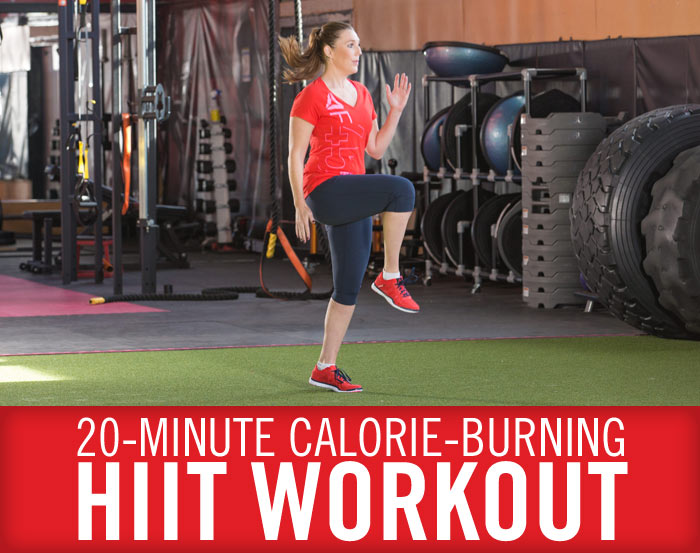
20-Minute Calorie-Burning HIIT Workout

HIIT workout

With the holiday season in full swing and the hustle to get end-of-the-year projects complete, it’s easy to stray from our regular exercise habits. Who has time for exercise when we are shopping for presents, cooking for family, running errands, traveling and attending parties? You. You have time for exercise. If your regular routine of going to the gym is getting trumped by this busy time of the year, try a high-intensity interval training (HIIT) workout that offers both fitness and calorie-burning benefits. Plus, you’ll work up a good stress-reducing sweat in a short amount of time.
High-intensity interval training features alternating bouts of all-out high-intensity exercise effort and short rest periods for a specific number of sets. These short, intense bursts of activity give you an incredible aerobic, anaerobic, strength and power workout all rolled into one. During a HIIT workout, your body metabolizes fat for fuel and after your workout your body will tap into fat stores for the energy. This makes HIIT one of the best ways to maximize caloric burn in a short amount of time. All you need is 15 to 30 minutes to reap all of these benefits of a HIIT workout.
No fitness equipment necessary for this 20-minute HIIT workout, but make sure you have water close by and a timer to keep track of the work/rest exercise intervals.
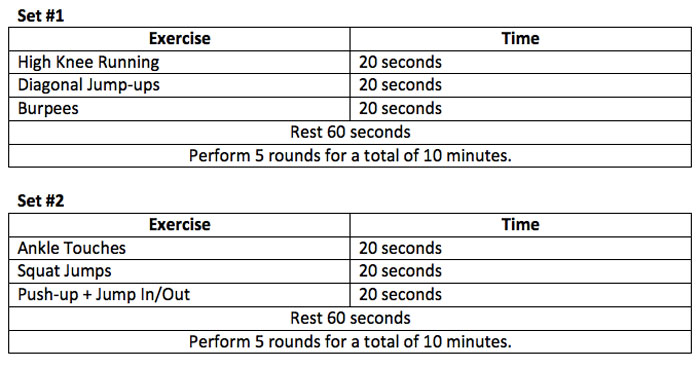
This workout includes two sets of three exercises repeated four times in row. Each exercise in the set is performed for 20 seconds followed by a one-minute rest. When set #1 is complete, move on to set #2.
HIIT workout
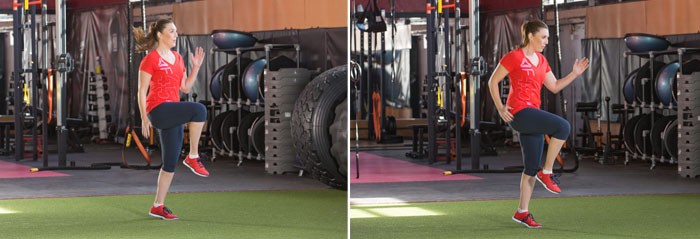
High Knee Running: Run in place, bringing your knees up toward your chest and pumping the arms as quickly as you can.
High knee running
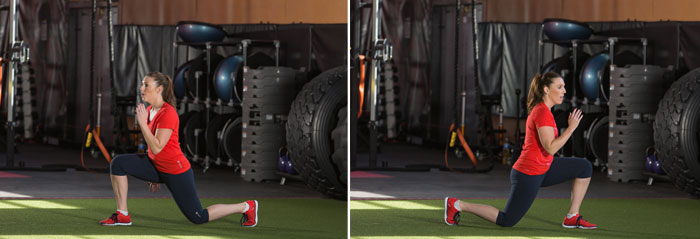
Diagonal Jump-ups: Begin in lunge position, with your right foot forward and your body turned toward the upper-right-hand corner. Push through both feet, jump up and land in a lunge position with the left foot forward and your torso facing the upper-left-hand corner.
diagonal jump ups
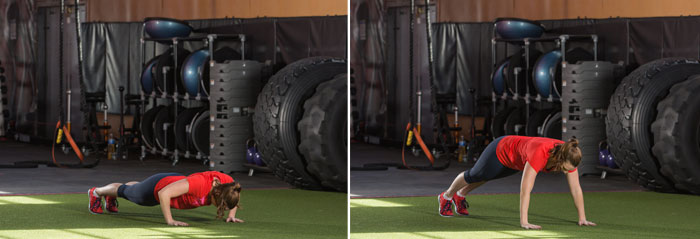
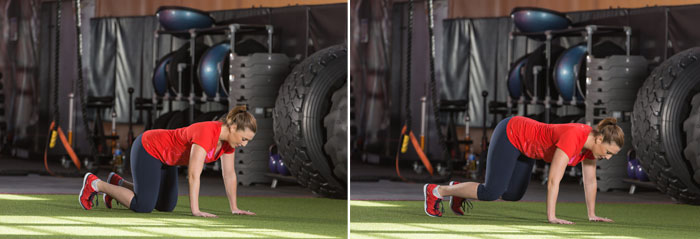
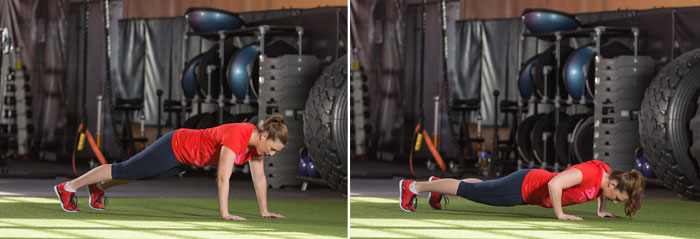
Burpees: Squat and place both hands down on the floor. Jump or walk back to high-plank position and perform one push up. Jump or walk your feet back to the squat position and immediately jump up with arms overhead.
burpee
burpee
burpee
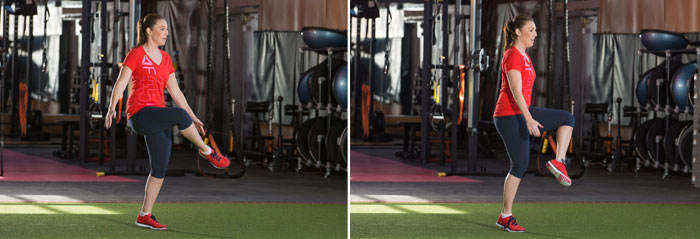
Ankle Touches: Run in place, turning your knees slightly outward, bringing the inside of the leg up toward the chest and reaching your hands to touch the inside of your ankles.
ankle touches
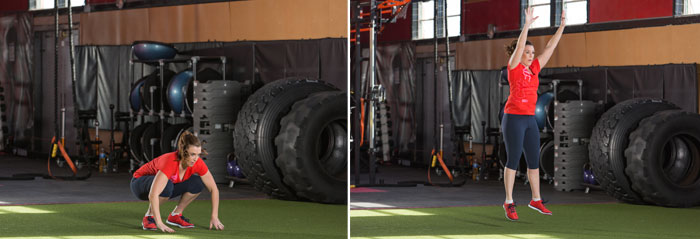
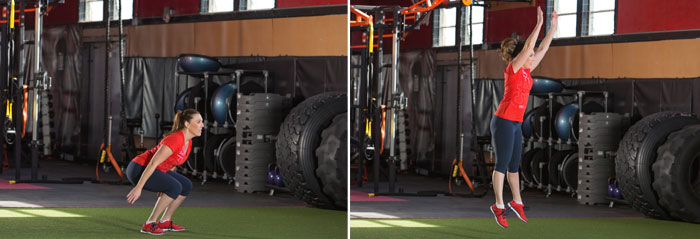
Squat Jumps: Lower down into a squat, swinging your arms back behind you. Immediately jump up, swinging your arms up toward the ceiling.
squat jumps
Push-up + Jump In/Out: Begin in quadruped position, with your hips over the knees and shoulders over the hands. Curl up onto the toes and lift the knees slightly off the floor. Jump or walk the legs back into high plank and perform one push up. Jump or walk the legs back into the elevated quadruped position.
push up
push up

Source : Stephanie Thielen Fitness, LLC./ Ace Fitness 

Saturday, 10 January 2015

How Athletes Can Build a Stronger Immune System


Whether training for a race or competitive sport, one of the worst challenges that athletes can face is sickness or injury. But athletes come with the added risk of a compromised immune system because of frequent and extreme trainings.
A strong immune system depends on a healthy, balanced diet rich in nutrients, but it’s not always easy to achieve. For athletes, who are often looking for ways of pushing themselves to the limits, a little extra support is needed. This is where Isagenix can help—with four steps using convenient nutrient-dense products that provide various ingredients that nourish the immune system.
Step 1: Push protein whey up
Protein may not be the first nutrient people think of in regards to the immune system, but it’s the most critical. Like other systems in the body, the immune system depends on adequate intake of protein and amino acids for optimal functioning.
Whey protein, in particular—a foundation for several of Isagenix protein options—can better help the body maintain optimal protein status because of its rich content of essential amino acids. Whey protein also helps in other ways, as in supporting muscle maintenance and growth, as well as in stimulating the immune system directly to encourage an optimal response (1-3).
Step 2: Think zinc, echinacea and colostrum
Extreme bouts of training are when the immune system is at highest risk. Fortunately, studies have found that there are a few ingredients that can target the immune system in key ways to give it a boost in nourishment.
  • Athletes should consider zinc their best friend for staying healthy. The mineral has a critical role in proper function and development of immune cells, such as T-cells. Any deficiency of zinc comes with unnecessary risk of a compromised immune system (4, 5).
  • Echinacea, a flowering plant whose roots and leaves have been used for centuries by Native Americans for their medicinal qualities, is also shown in randomized controlled studies to have beneficial effects on the immune system (6).
  • Colostrum, the first form of milk produced by a cow after giving birth, contains a range of immune-protecting substances. These include immunoglobulins, proline-rich polypeptides, and lactoferrin that can help protect the immune systems of athletes after long trainings (7, 8).
All these ingredients are available in the form of a spray like Isamune® Plus with Zinc. The product makes for a convenient way to bolster defense daily, before and after exercise.
Step 3: Get the sunshine vitamin all year round
For athletes who often train outside in the sunshine, obtaining enough vitamin D is not a problem normally. But during winter months, levels can drop significantly. The decline can mean problems since the body depends on the hormone-like vitamin for proper immune system response (9, 10).
Getting adequate amounts of vitamin D from diet can be a challenge since so little foods contain enough, but any low status is easily corrected through supplementation. A convenient way to get a daily dose of 2000 IU is available with Ageless Essentials™ Daily Pack and it comes along with another vitamin closely associated with immune status, vitamin C.
Step 4: Sleep it off with melatonin
Perhaps one of the most influential lifestyle habits to support an athlete’s immune system is getting adequate sleep every night. Research has shown that even just one week of insufficient sleep alters the activity of some 700 genes including genes involved in the immune system response (11).
When getting proper shut-eye is a problem, choosing a good supplement like Isagenix Sleep Support and Renewal Spray is the solution. It provides melatonin and other calming compounds such as tart cherry and valerian root in a unique peppermint spray formula that’s fast acting and convenient.
Keeping the immune system strong should be a daily pursuit and one made easier with the nourishment provided in products like those of Isagenix.

References
  1. Dawson BM, Axford S. Nutrition as a part of healthy aging and reducing cardiovascular risk: improving functionality in later life using quality protein, with optimized timing and distribution. Semin Thromb Hemost 2014;40(06):695-703.
  2. Freeman SL, Fisher L, et al. Dairy proteins and the response to pneumovax in senior citizens: a randomized, double-blind, placebo-controlled pilot study. Ann N Y Acad Sci 2010;1190:97-103.
  3. Badr G, Ebaid H, Mohany M, et al. Modulation of immune cell proliferation and chemotaxis towards CC chemokine ligand (CCL)-21 and CXC chemokine ligand (CXCL)-12 in undenatured whey protein-treated mice. J Nutr Biochem 2012;23(12):1640-6.
  4. Hemila H. Zinc lozenges may shorten the duration of colds: a systematic review. Open Respir Med J 2011(5):51-58.
  5. Prasad AS, Beck FWJ, Bao B, et al. Zinc supplementation decreases incidence of infections in the elderly: effect of zinc on generation of cytokines and oxidative stress. Am J Clin Nutr 2007;85(3):837-44.
  6. Kim HR, Oh SK, Lim W, et al. Immune enhancing effects of echinacea purpurea root extract by reducing regulatory T cell number and function. Nat Prod Commun 2014;9(4):511-4.
  7. Shing CM, et al. Effects of bovine colostrum supplementation on immune variables in highly trained cyclists. J Appl Physiol 2007;102: 1113-1122.
  8. Crooks CV, et al. The effect of bovine colostrum supplementation on salivary igA in distance runners. Inter J Sport Nutr and Exercise Metabolism 2006;16:47-64.
  9. Aranow C. Vitamin d and the immune system. J Investig Med. 2011;59(6):881–886.
  10. Walllace, TC, McBurney M, Fulgoni VL. Multivitamin/mineral supplement contribution to micronutrient intakes in the United States, 2007-2010. J Am Coll Nutr 2014;33(2):94-102.
  11. Möller-Levet CS, Archer SN, Bucca G, et al. Effects of insufficient sleep on circadian rhythmicity and expression amplitude of the human blood transcriptome. PNAS 2013 Feb 25